Nature Scavenger Hunts: Turn Any Park Into a Learning Lab
Seven sensory-rich, developmentally targeted summer adventures — from nature scavenger hunts to backyard stargazing — give toddlers (ages 1–3) exactly the hands-on learning and movement their rapidly developing brains need.
In this article
Your toddler's brain will never grow faster than it does right now. According to the Centers for Disease Control and Prevention (CDC), 90% of a child's brain development happens before age 5 — and a significant portion of that window falls squarely in the toddler years. That means the puddle you splash in this July, the bug you crouch down to examine together, and the sand castle that collapses and gets rebuilt are doing far more than passing a hot afternoon. They are literally wiring your child's mind.
This guide gives you seven summer adventures purpose-built for toddlers aged 1–3. Each one is:
Let's get into it.
1. Nature Scavenger Hunts: Turn Any Park Into a Learning Lab
A nature scavenger hunt is one of the most developmentally efficient activities you can offer a toddler — it exercises observation, categorisation, early vocabulary, and gross motor skills in a single outing. The key is keeping the list short (five to seven items) and picture-based, since most one- and two-year-olds cannot yet read.
Building Your Toddler-Friendly List
Print or draw simple images of items your child is likely to find locally:
- A smooth stone - A yellow flower - Something that flies - A curly or spiral shape in nature - A feather - Bark that feels rough - A seed pod or acorn
As you find each item, name it, describe its texture, and ask an open question: "What does this feel like? Is it soft or scratchy?" That running commentary is language gold — the American Academy of Pediatrics (AAP) calls this kind of "serve-and-return" interaction the single most important driver of early language development.


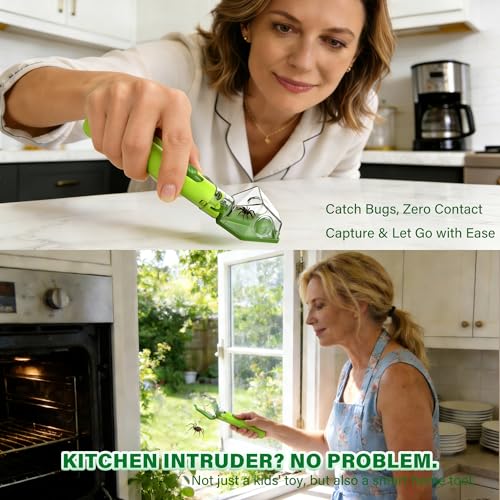
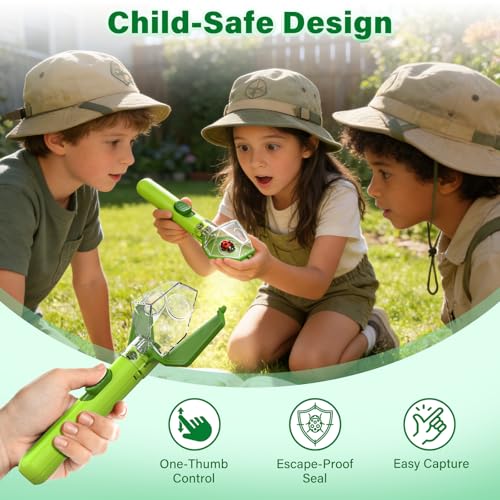
Bug Catcher for Kids, Insect Trap Kit with 6X Magnifier Glass - STEM Educational Exploration Tool for Indoor and Outdoor,Christmas Birthday Gifts Toys for Adults, Boys, and Girls, Green
- 【Bug Catcher Tool 】Experience futuristic insect catching trap! Our ergonomic thumb-slide button enables smooth
- 【6X Dual Magnifying Lenses】Two ultra-clear 6X magnifiers reveal hidden insect worlds! kids inspect legs, wings
- 【Kid-Safe & Durable Build】This toddler educational toys is made lightweight, unbreakable Acrylic material and
2. Backyard Water Play: Sensory Learning That Looks Like Splashing
Water play is arguably the richest sensory activity available to toddlers, and it requires almost nothing beyond a basin and a warm day. Pouring, filling, and transferring water between containers introduces early maths concepts — volume, capacity, and cause-and-effect — long before your child can articulate what they are learning.
Setting Up a Safe Water Station
The Royal Society for the Prevention of Accidents (RoSPA) is unequivocal: toddlers can drown in as little as 5 cm (2 inches) of water. Follow these non-negotiables:
- Keep water depth at 6–8 cm (3 inches) maximum for under-twos - Stay within arm's reach — not just line-of-sight - Empty all containers immediately after play - Use a non-slip mat under any water table or basin
What to Add for Richer Learning
Once safety is sorted, the fun begins. Offer containers of different sizes, funnels, ladles, and sponges. Add a drop of food colouring to one tub and watch your toddler's face when colours mix. Float objects and ask which ones sink. This is physics, chemistry, and early scientific thinking — dressed as play.
3. Mud Kitchen and Sensory Digging: Messy Play With a Purpose
If water play is physics, mud play is chemistry — and toddlers are born chemists. Research published in the journal Early Childhood Education Journal has found that unstructured messy play supports executive function development, including impulse control and flexible thinking, in children under three.
Setting Up Your Outdoor Mud Kitchen
You don't need a purpose-built wooden kitchen. A patch of garden, a tray of soil, a few old pots, and a small jug of water is enough. Let your toddler:
- Mix soil and water to different consistencies ("runny like soup" vs. "thick like cake") - Press leaves and sticks into mud to make patterns - Fill and empty containers repeatedly (yes, this is a developmental milestone, not just mess)
The hygiene concern is real but manageable. The "old friends hypothesis," supported by immunologist Dr. Graham Rook of University College London, suggests that early exposure to environmental microbes in soil may actually support healthy immune development. Wash hands thoroughly after play and keep any open wounds covered.
4. Toddler Nature Walks With a Mission: Slow Down and Look Closer
A nature walk with a toddler is not a hike — it is a series of micro-discoveries interrupted by sitting on logs. Embrace that. The developmental payoff of a slow, child-led walk far exceeds any distance covered.
Giving the Walk a Focus
Toddlers engage more deeply when a walk has a simple, concrete mission:
- "Today we're looking for things that are red" - "Let's count every dog we see" - "Can you find something bigger than your hand?"
These micro-challenges build attention, counting, and comparative language ("bigger than," "smaller than," "the same as") — all foundational literacy and numeracy skills.



ESSENSON Kids Explorer Kit - Adventure Kit for Kids, Outdoor Explorer Kit with Binoculars, Summer Outdoor Toys for Kids Ages 4-8
- Complete kids explorer kit includes: Binoculars, magnifying glass, hand crank flashlight, whistle, backpack, t
- Features: High-quality and good materials for long-lasting use, Encourages hands-on learning and outdoor play,
- Develop Skills: Outdoor adventures and nature exploration, Camping trips and backyard expeditions, Science exp
For three-year-olds ready for a bit more structure, a simple explorer kit — binoculars, magnifying glass, and a small backpack — transforms an ordinary walk into an expedition. The ESSENSON Kids Explorer Kit includes child-sized binoculars and a magnifying glass that make close observation genuinely accessible for small hands.
5. Bubble Play and Outdoor Art: Creativity Meets Gross Motor Development
Bubbles are developmental powerhouses hiding in plain sight. Chasing bubbles develops tracking (visual motor integration), reaching and popping them refines fine motor control, and trying to blow them builds the oral motor skills that underpin clear speech.
Levelling Up Bubble Play
Once your toddler has mastered chasing, extend the activity:
- Blow bubbles low to the ground and encourage stomping - Use a large wand for slow-moving giant bubbles that are easier to track - On a calm day, catch a bubble on a wet hand and examine it together — the rainbow surface is a genuine optics lesson
Pair bubble play with outdoor chalk art. Give your toddler a bucket of water and a large paintbrush to "paint" the patio — the water darkens the surface and then evaporates, which toddlers find endlessly fascinating (cause and effect, again).
6. Backyard Bug Safari: STEM Learning at Ground Level
Getting nose-to-nose with a beetle or watching an ant carry something three times its size is, for a toddler, as thrilling as any theme park. It also happens to be excellent STEM education — classification, observation, hypothesis-making, and patience all in one activity.
Running a Safe and Ethical Bug Safari
- Teach "look, don't grab" first — then progress to gentle catching with a tool - Always release insects where you found them - Model curiosity: "I wonder where this ant is going. Let's follow it." - Narrate what you see: legs, wings, antennae, colour, movement

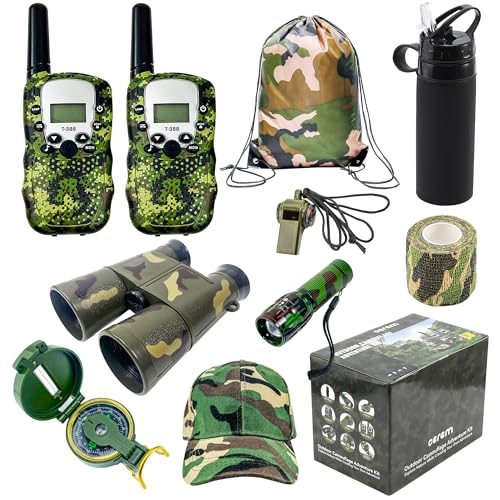

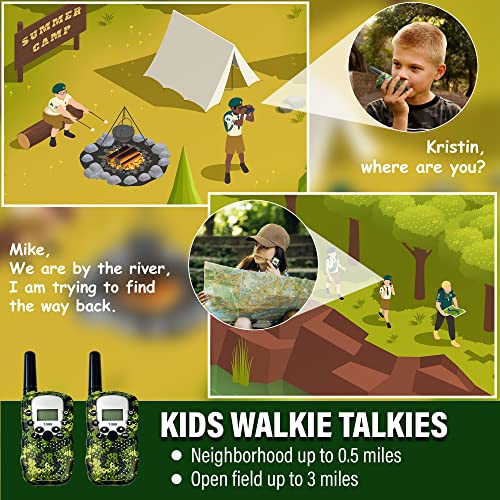
Kids Explorer Kit - 10-in-1 Nature Explore Set with Walkie Talkies, Binoculars, Compass, LED Flashlight - Outdoor Adventure Kit for Boys and Girls - Complete Camping Gear Bundle
- SCREEN-FREE SKILL BUILDING: Replace endless scrolling with real adventures as this outdoor explorer kit for ki
- COMPLETE KIDS EXPLORER KIT In One Bundle: Skip piecing together random gear; this ten piece kids explorer kit
- OUTDOOR EXPLORATION TOOLS for CURIOUS KIDS: This nature explorer kit includes kid-friendly binoculars for spot
For toddlers approaching three, a proper explorer kit adds enormous excitement. The CEREM Kids Explorer Kit includes binoculars and a compass alongside other tools that grow with your child well beyond the toddler years. For a more targeted bug-focused experience, the LEUOA Bug Catcher with 6X Magnifier lets even young toddlers observe insects up close without risk of harm to child or creature — the transparent chamber and locking flaps are specifically designed for small, enthusiastic hands.
Children are born naturalists. Our job is simply to not interrupt that.
— Richard Louv, author of *Last Child in the Woods* (2005)
7. Backyard Stargazing and Twilight Walks: Wonder as a Developmental Tool
Summer evenings offer something winter rarely does: a warm, safe window to be outside after dark. For toddlers, who are building their understanding of the world's rhythms, experiencing dusk and early night is genuinely novel — and novelty drives neurological development.
Making Twilight Safe and Magical
- Start at dusk, not full dark, so the transition is gradual and non-frightening - Bring a blanket and lie on your backs to look up together - Name what you see: the moon, the first star, bats, moths around lights - Keep it short — 20 to 30 minutes is plenty for under-threes


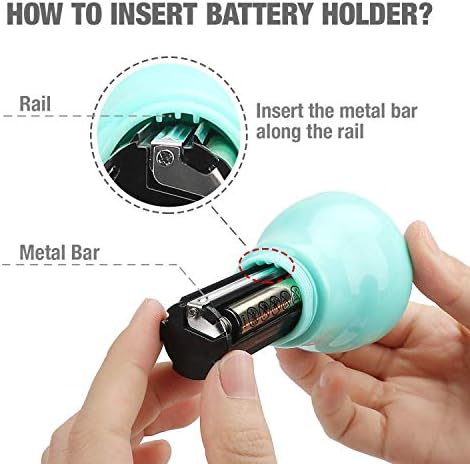

EverBrite 3-Pack Camping Lights - 3 Lighting Modes, Outdoor Portable LED Bulbs Ideal for Kids' Adventure Activities, Camping, Emergency and More, 3 x AAA Batteries Included
- ✿ Assorted Color & Lightweight - This lighting-bulb pack has 3 adorable colors (1 x Green, 1 x Teal, 1 x Hot P
- ✿ 3 Lighting Modes - Exquisite bulb-shaped lights have 3 beam modes (High/Low/Strobe) that can be easily switc
- ✿ Creative Hook Design - The carabiner clip is designed to hang the light in your tents, backpacks, or even tr
A set of portable camp lights transforms a backyard into an adventure space. The EverBrite 3-Pack Camping Lights clip onto a blanket fort, a tree branch, or a backpack strap and give toddlers a sense of ownership over their little night-time space. For families heading to an actual campsite, the HKDiRedy Hiking Compass is a simple, durable starter navigation tool for curious three-year-olds who want to "find north" like a real explorer.
Choosing the Right Adventure: A Quick-Reference Guide
| Adventure | Best Toddler Age | Primary Dev. Domain | Time Needed | Recommended Product | Approx. Cost |
|---|---|---|---|---|---|
| Nature Scavenger Hunt | 2–3 yr | Language & Cognition | 30–45 min | LEUOA Bug Catcher & Magnifier | $9.99 |
| Water Play | 1–3 yr | Sensory & Early STEM | 20–40 min | Household items | $0 |
| Mud Kitchen | 1–3 yr | Sensory & Executive Function | 30–60 min | Household items | $0 |
| Mission Nature Walk | 2–3 yr | Language & Gross Motor | 20–45 min | ESSENSON Kids Explorer Kit | $14.99 |
| Bubble & Chalk Art | 1–3 yr | Fine Motor & Creativity | 20–30 min | Bold Explorer Adventure Kit | $17.99 |
| Bug Safari | 2–3 yr | STEM & Observation | 20–40 min | CEREM Kids Explorer Kit | $44.95 |
| Twilight Stargazing | 2–3 yr | Wonder & Emotional Reg. | 20–30 min | EverBrite Camping Lights | $9.99 |
Expert Insights on Outdoor Play and Toddler Development
This Summer, Go Slowly and Notice Everything
The most powerful thing you can do for your toddler this summer is not to find the perfect activity — it is to slow down enough to be genuinely present for the ordinary ones. The ant on the footpath, the shadow your bodies make on the lawn, the way cold water feels on hot feet: these are the moments that become memories, and the experiences that build minds.
Every adventure in this guide is achievable today, in your backyard or your nearest park, with what you already have. Start with one. Follow your toddler's lead. The summer is long, the window of early childhood is not — and you are already exactly the right person to make it count.
Save this guide, share it with another toddler parent, and let us know at tinymindsworld.com which adventure your little one loved most.
Sources & References
- Centers for Disease Control and Prevention (CDC). "Early Brain Development and Health." 2023. https://www.cdc.gov/ncbddd/childdevelopment/early-brain-development.html
- American Academy of Pediatrics (AAP). "The Power of Play: A Pediatric Role in Enhancing Development in Young Children." Pediatrics, 2018. https://doi.org/10.1542/peds.2018-2058
- American Academy of Pediatrics (AAP). "Outdoor Play and Nature Exposure Policy Statement." 2023. https://www.aap.org
- World Health Organization (WHO). "Guidelines on Physical Activity, Sedentary Behaviour and Sleep for Children Under 5 Years of Age." 2019. https://www.who.int/publications/i/item/9789241550536
- Royal Society for the Prevention of Accidents (RoSPA). "Water Safety for Young Children." 2022. https://www.rospa.com/water-safety
- Zero to Three. "Brain Development." 2022. https://www.zerotothree.org/early-development/brain-development/
- Kuo, Frances E., and William C. Sullivan. "Environment and Crime in the Inner City: Does Vegetation Reduce Crime?" Environment and Behavior, 2001. University of Illinois Landscape and Human Health Laboratory.
- Louv, Richard. Last Child in the Woods: Saving Our Children from Nature-Deficit Disorder. Algonquin Books, 2005.
- Rook, Graham A. W. "Regulation of the Immune System by Biodiversity from the Natural Environment." Proceedings of the National Academy of Sciences, 2013. https://doi.org/10.1073/pnas.1313731110
- Hanscom, Angela J. Balanced and Barefoot: How Unrestricted Outdoor Play Makes for Strong, Confident, and Capable Children. New Harbinger Publications, 2016.
Frequently Asked Questions
How much outdoor time does my toddler actually need each day?
Is it safe for toddlers to play outside in summer heat?
My toddler won't touch grass or soil — should I push it?
What if I don't have a garden or outdoor space?
At what age can toddlers start using tools like magnifying glasses and binoculars?
How do I keep a toddler engaged on a nature walk without a meltdown?
Are explorer kits worth buying for toddlers, or will they just lose interest?
Was this helpful?
Thanks — your feedback helps us pick what to write next.