How Much Sleep Does Your Preschooler Really Need?
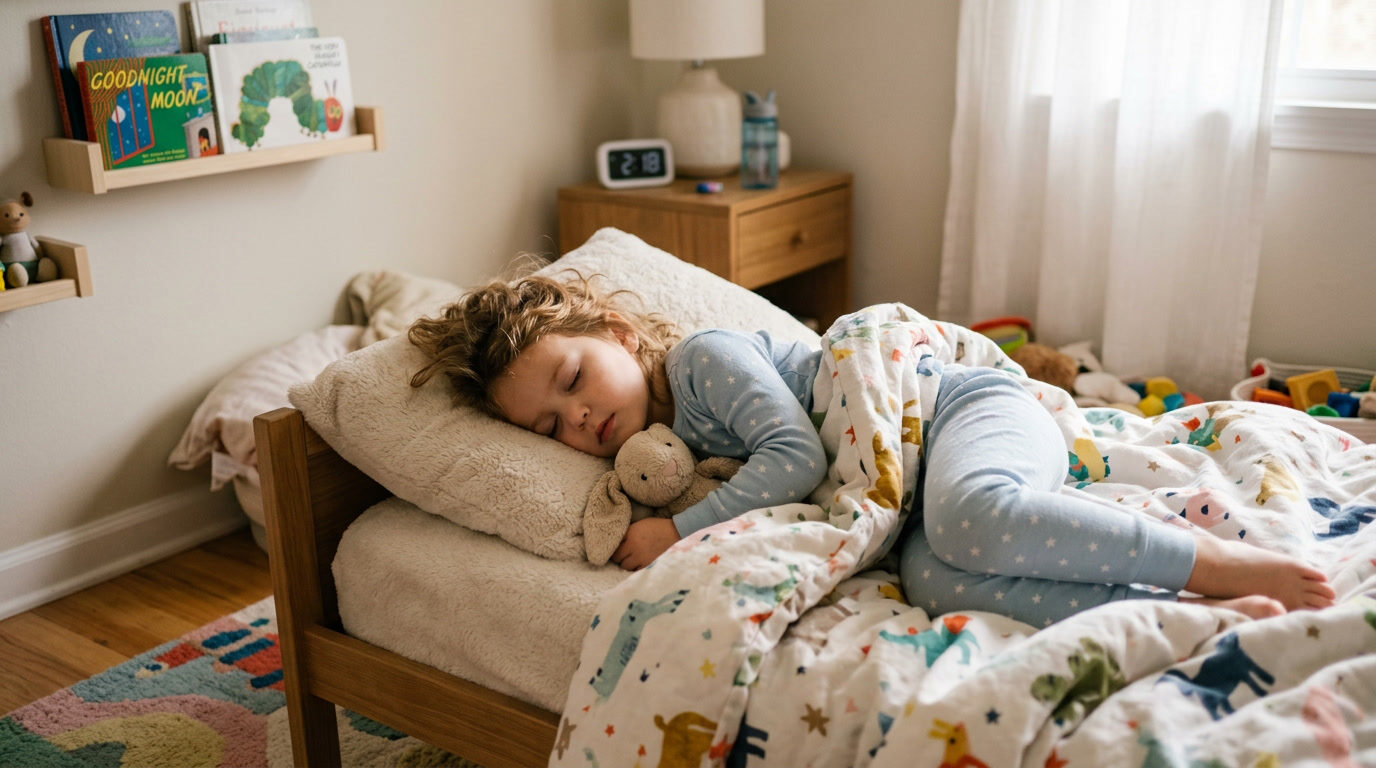
Most preschoolers ages 3 to 5 need 10 to 13 hours of sleep in every 24-hour period, including any naps, according to the American Academy of Pediatrics.
24 min read
Start typing to search.
No matches.
Browse by age
Kindergarten prep, social skills, and early literacy.
16 articles
Most preschoolers ages 3 to 5 need 10 to 13 hours of sleep in every 24-hour period, including any naps, according to the American Academy of Pediatrics.
24 min read
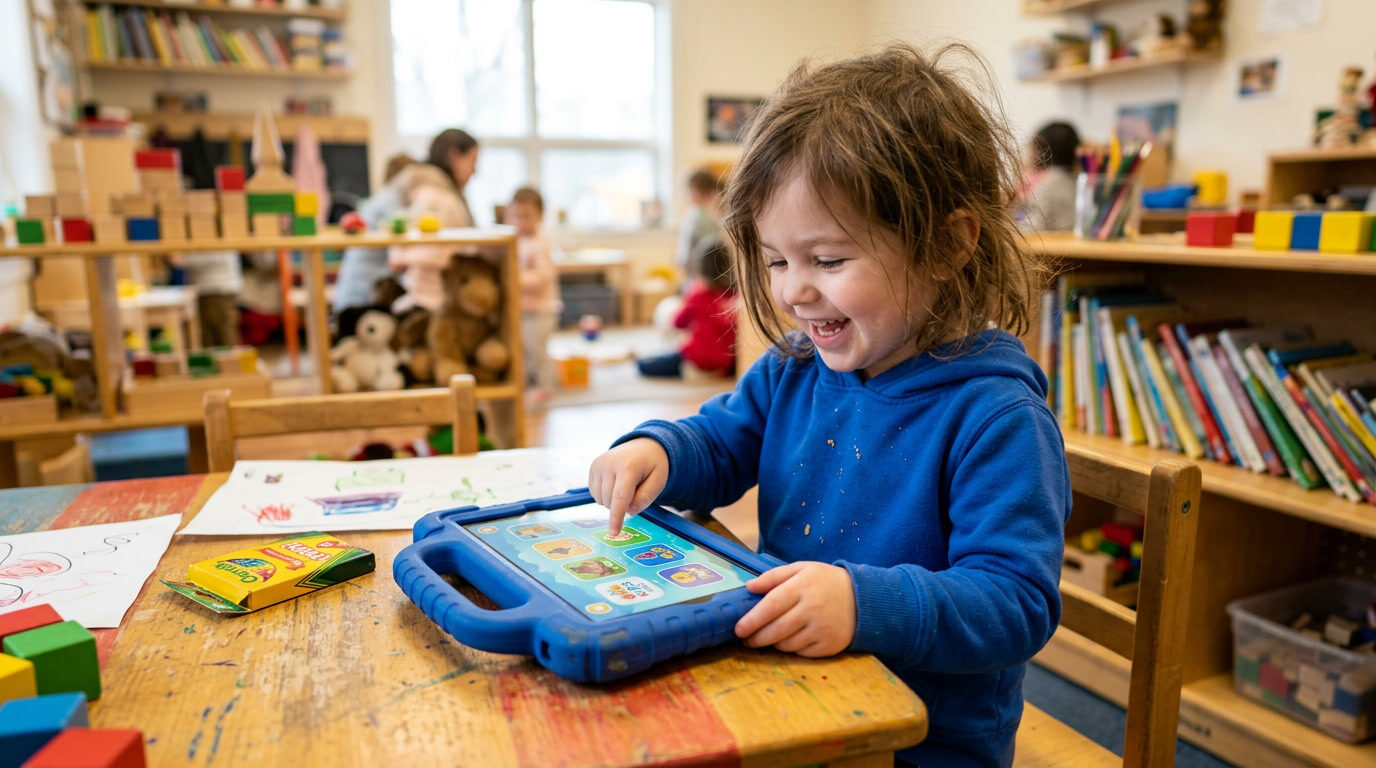
The best kids tablets for preschoolers combine genuine drop resistance, strong parental controls, and a manageable price, with Amazon's Fire Kids line leading the pack for most families at $99 to $149.
21 min read
Most preschoolers ages 3 to 5 need 10 to 13 hours of sleep in every 24 hour period, including naps, and a consistent bedtime routine is the single most powerful tool parents have to make that happen.
20 min read
Preschoolers need a wide variety of whole foods across five food groups, consistent meal and snack timing, and a low-pressure eating environment to build the healthy habits that stick for life.
18 min read
A highly sensitive child is not "too sensitive" or poorly behaved; they have a nervous system that processes sensory and emotional information more deeply than average, and with the right support they can thrive.
21 min read
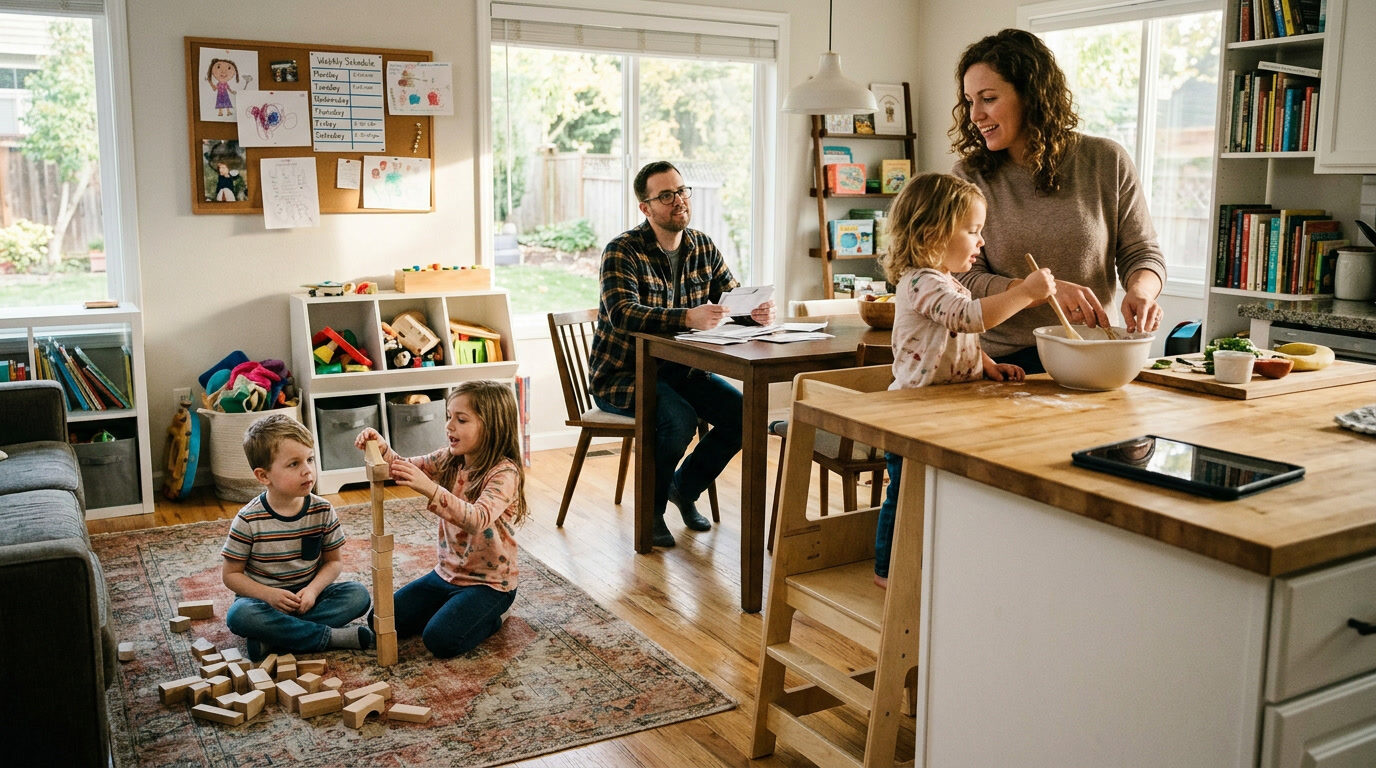
The preschool years (ages 3–5) are a pivotal window for family life, when daily routines, sibling dynamics, screen habits, and emotional rituals shape your child's sense of security and belonging for years to come.
18 min read
Autism is a single spectrum, but four presentation types are frequently missed or mislabelled in children — understanding them helps you seek the right support sooner.
20 min read
The right STEM building toys genuinely compete with screens because they deliver the same dopamine loop — challenge, progress, reward — while building real cognitive skills your child will use for life.
26 min read
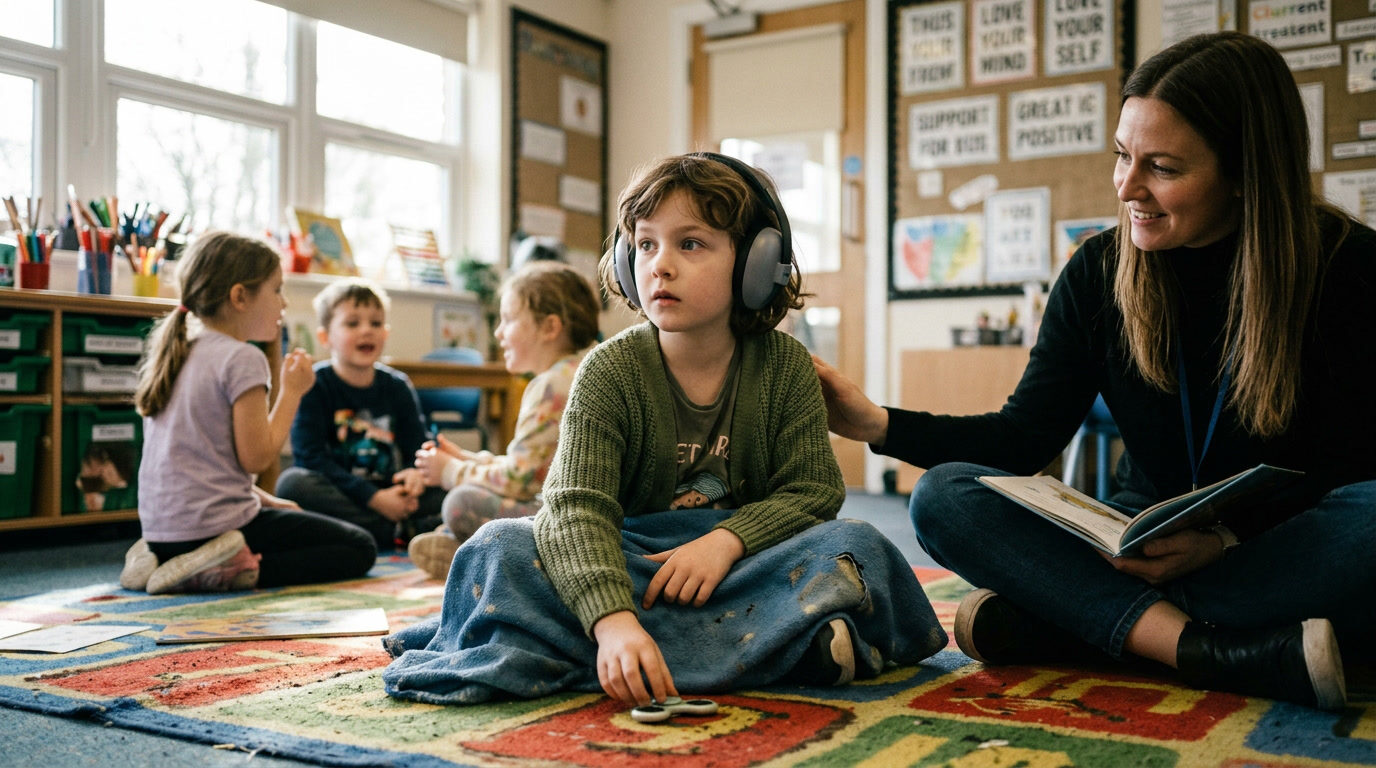
Between ages 3 and 5, many neurodevelopmental differences become clearly visible — and early, targeted support during the preschool years produces the strongest long-term outcomes for children with autism, ADHD, speech delays, and sensory processing differences.
21 min read
Preschool big emotions are developmentally normal — the 3–5 age window is when children's brains are literally wiring up emotional control, and the right strategies now build lifelong self-regulation skills.
17 min read
Between ages 3 and 5, children make some of the most dramatic developmental leaps of their lives — in language, motor control, emotional regulation, and social thinking — and knowing what to expect helps you support (not rush) every step.
19 min read
Keeping your 3–5 year old safe and healthy means layering smart supervision, age-appropriate immunisations, injury prevention at home and school, and clear communication with your child's care team.
19 min read