Tiny Minds World

Browse by age

Preschool

Kindergarten prep, social skills, and early literacy.

23 articles

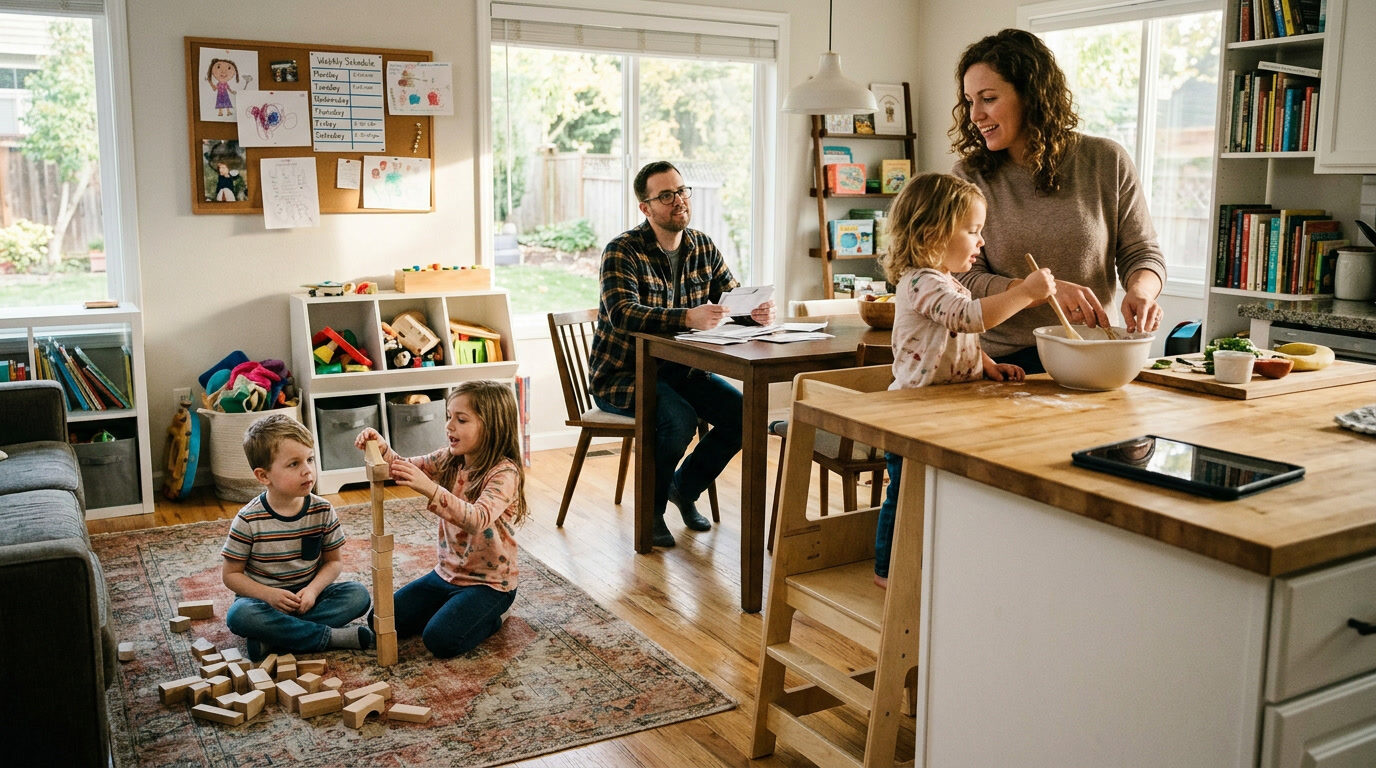
Preschool Family Life: Your Complete 3–5 Year Guide
Preschool May 21

Preschool Family Life: Your Complete 3–5 Year Guide

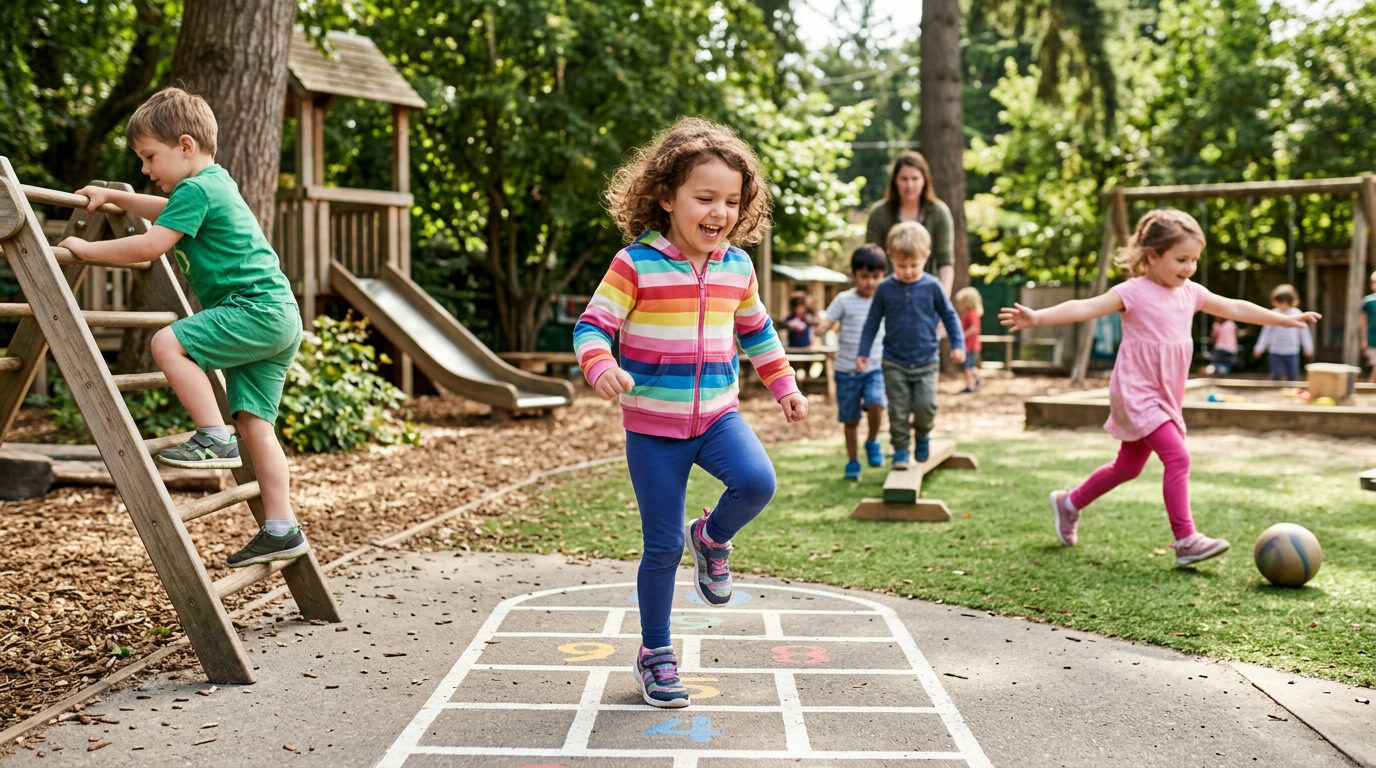
The preschool years (ages 3–5) are a pivotal window for family life, when daily routines, sibling dynamics, screen habits, and emotional rituals shape your child's sense of security and belonging for years to come.

18 min read
The "Invisible" Presentation: Autism in Girls and Assigned-Female-at-Birth Children
Preschool May 16

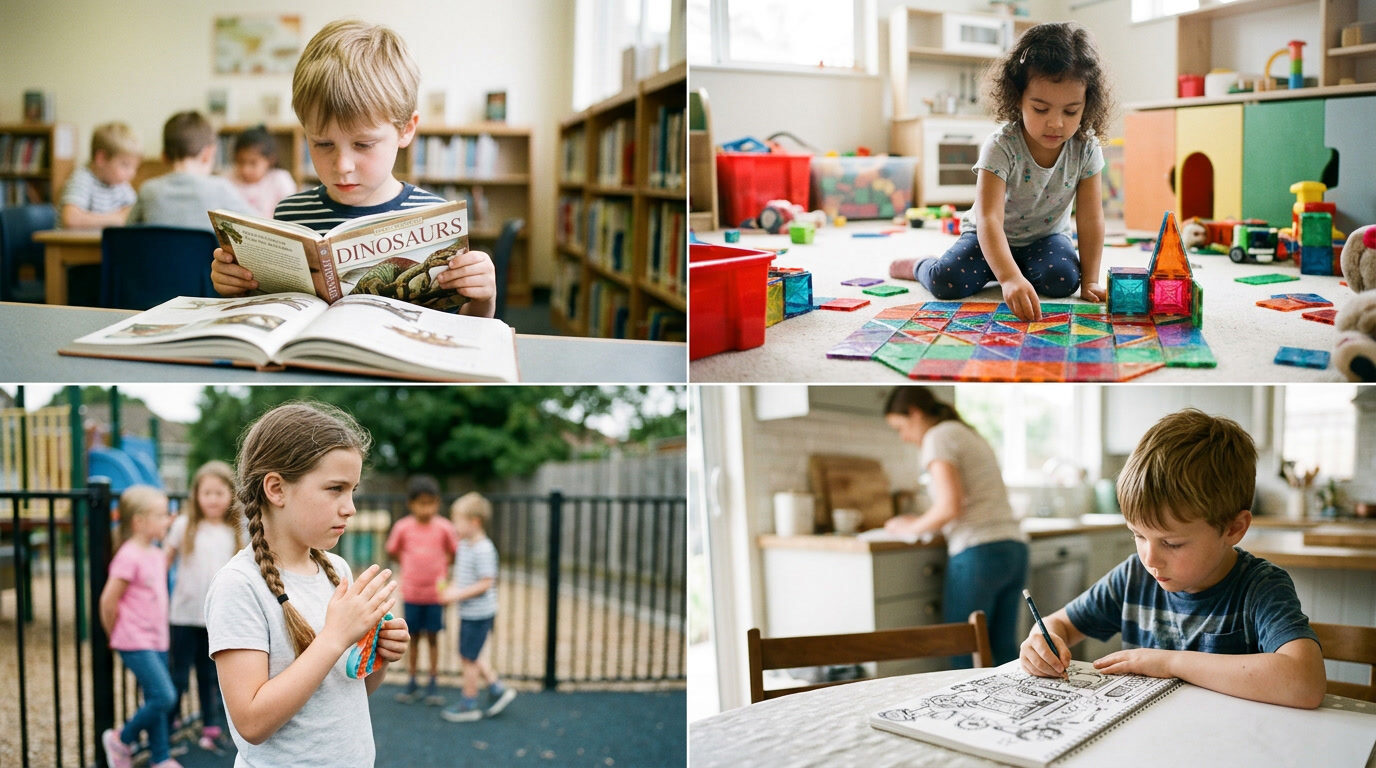
The "Invisible" Presentation: Autism in Girls and Assigned-Female-at-Birth Children

Autism is a single spectrum, but four presentation types are frequently missed or mislabelled in children — understanding them helps you seek the right support sooner.

20 min read

Why STEM Toys Beat Screens at Their Own Game (The Neuroscience Parents Need to Know)
Preschool May 16

Why STEM Toys Beat Screens at Their Own Game (The Neuroscience Parents Need to Know)

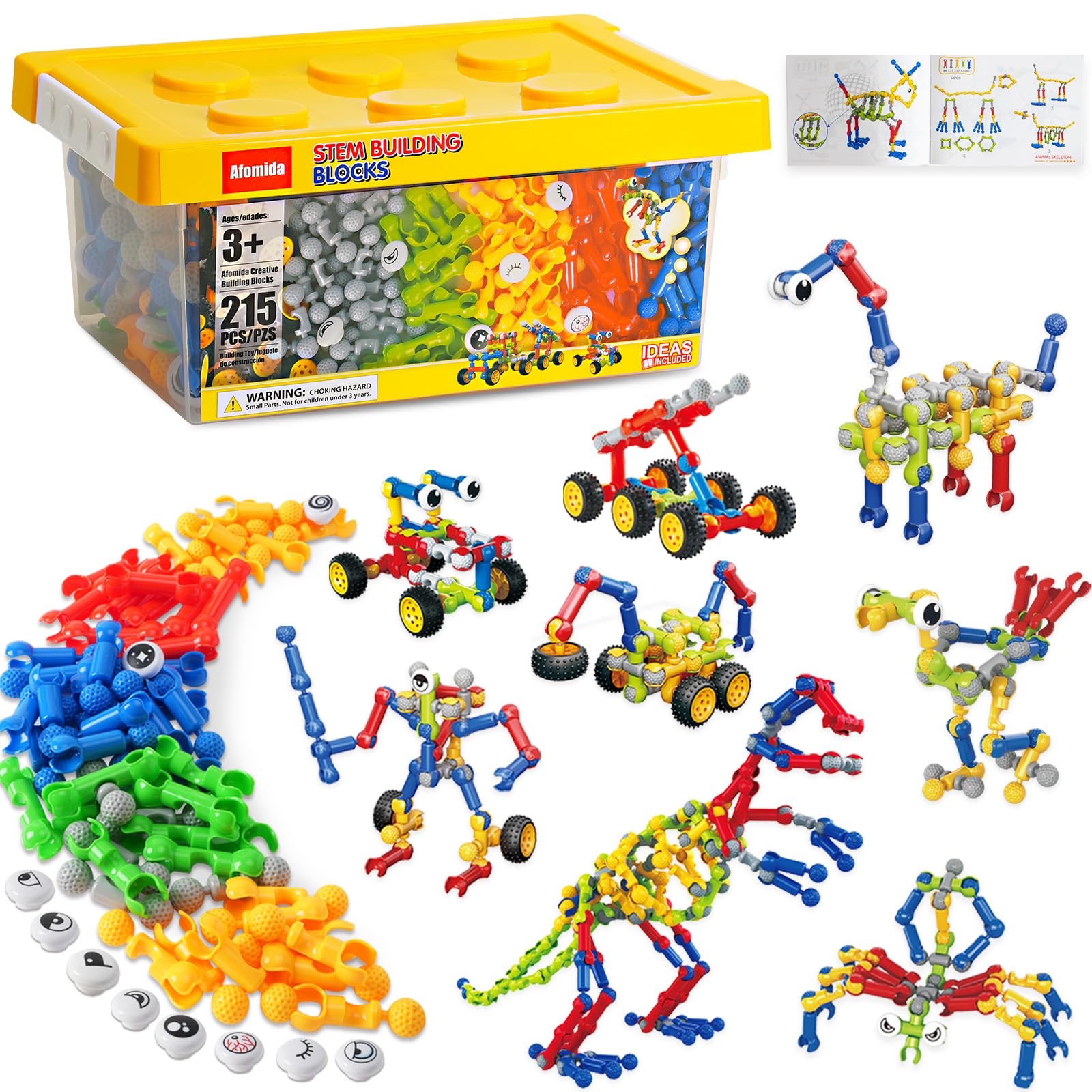
The right STEM building toys genuinely compete with screens because they deliver the same dopamine loop — challenge, progress, reward — while building real cognitive skills your child will use for life.

26 min read

Immunisations: Closing the Immunity Gap Before School
Preschool May 16

Immunisations: Closing the Immunity Gap Before School

Keeping your 3–5 year old safe and healthy means layering smart supervision, age-appropriate immunisations, injury prevention at home and school, and clear communication with your child's care team.

19 min read

Physical Milestones: What Your Preschooler's Body Is Learning to Do
Preschool May 16

Physical Milestones: What Your Preschooler's Body Is Learning to Do

Between ages 3 and 5, children make some of the most dramatic developmental leaps of their lives — in language, motor control, emotional regulation, and social thinking — and knowing what to expect helps you support (not rush) every step.

19 min read

Why Preschool Brains Are Wired for Big Feelings
Preschool May 16

Why Preschool Brains Are Wired for Big Feelings

Preschool big emotions are developmentally normal — the 3–5 age window is when children's brains are literally wiring up emotional control, and the right strategies now build lifelong self-regulation skills.

17 min read

Recognising the Signs: What Neurodiversity Looks Like at Ages 3–5
Preschool May 16

Recognising the Signs: What Neurodiversity Looks Like at Ages 3–5

Between ages 3 and 5, many neurodevelopmental differences become clearly visible — and early, targeted support during the preschool years produces the strongest long-term outcomes for children with autism, ADHD, speech delays, and sensory processing differences.

21 min read

Why the Preschool Years Are the Sweet Spot for Building Play
Preschool Dec 1

Why the Preschool Years Are the Sweet Spot for Building Play

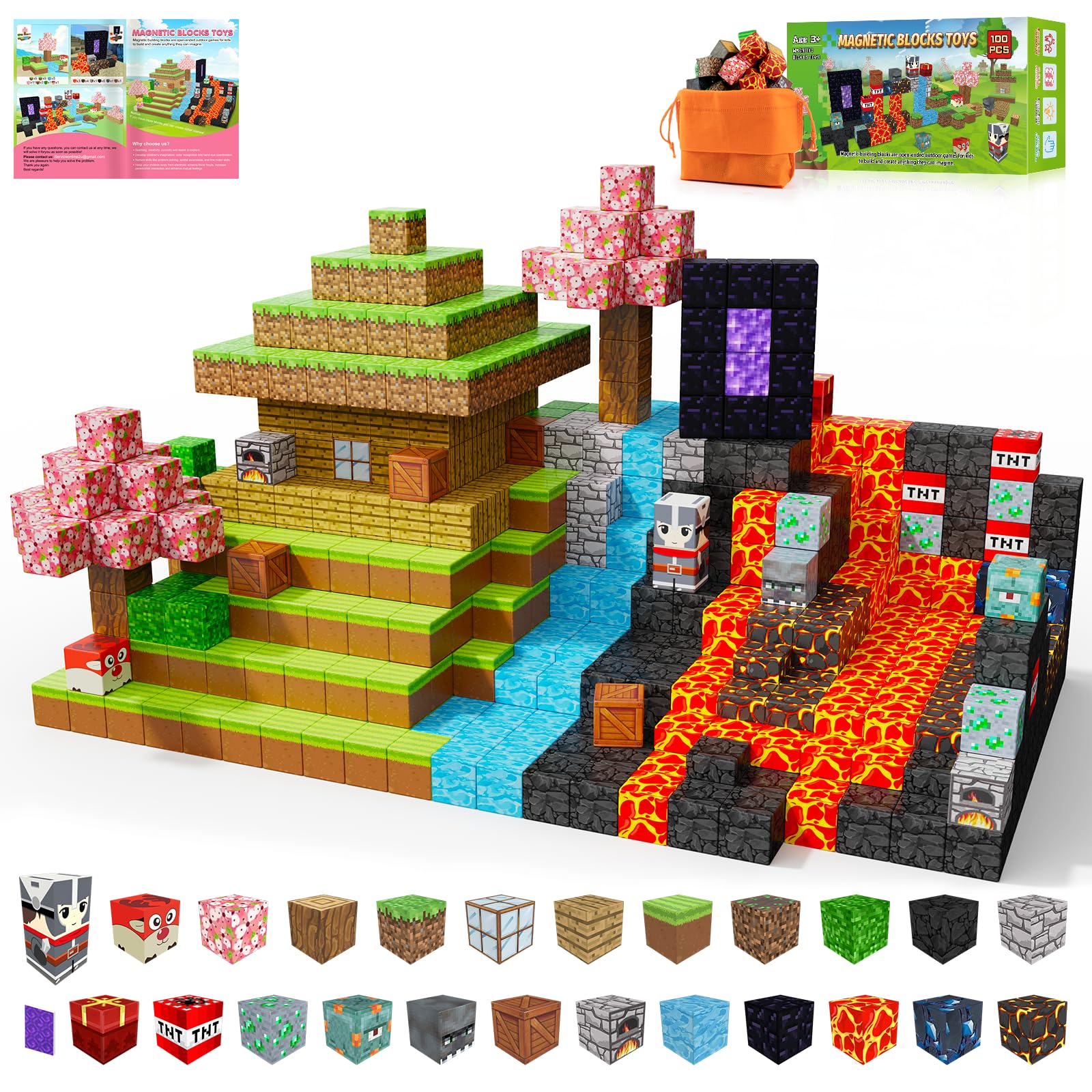
Magnetic building blocks are one of the most developmentally rich toys you can give a preschooler — they build spatial reasoning, fine motor skills, and early STEM foundations through open-ended, screen-free play.

20 min read

What Edutainment Really Means for Preschoolers (It's Not Just Screen Time)
Preschool Jun 24

What Edutainment Really Means for Preschoolers (It's Not Just Screen Time)

Edutainment — the blend of education and entertainment — is one of the most effective tools available to preschoolers (ages 3–5) right now, combining play-based learning with hands-on materials and age-appropriate digital tools to build early literacy, maths, and social skills.

21 min read

Why STEM Education Matters More Than Ever Right Now
Preschool Jun 19

Why STEM Education Matters More Than Ever Right Now

STEM education — Science, Technology, Engineering, and Mathematics — builds the thinking skills children need for a fast-changing world, and it works best when it starts early, stays playful, and grows with your child from toddlerhood through the teen years.

19 min read

Why the Preschool Brain Is Uniquely Ready to Learn
Preschool Jun 13

Why the Preschool Brain Is Uniquely Ready to Learn

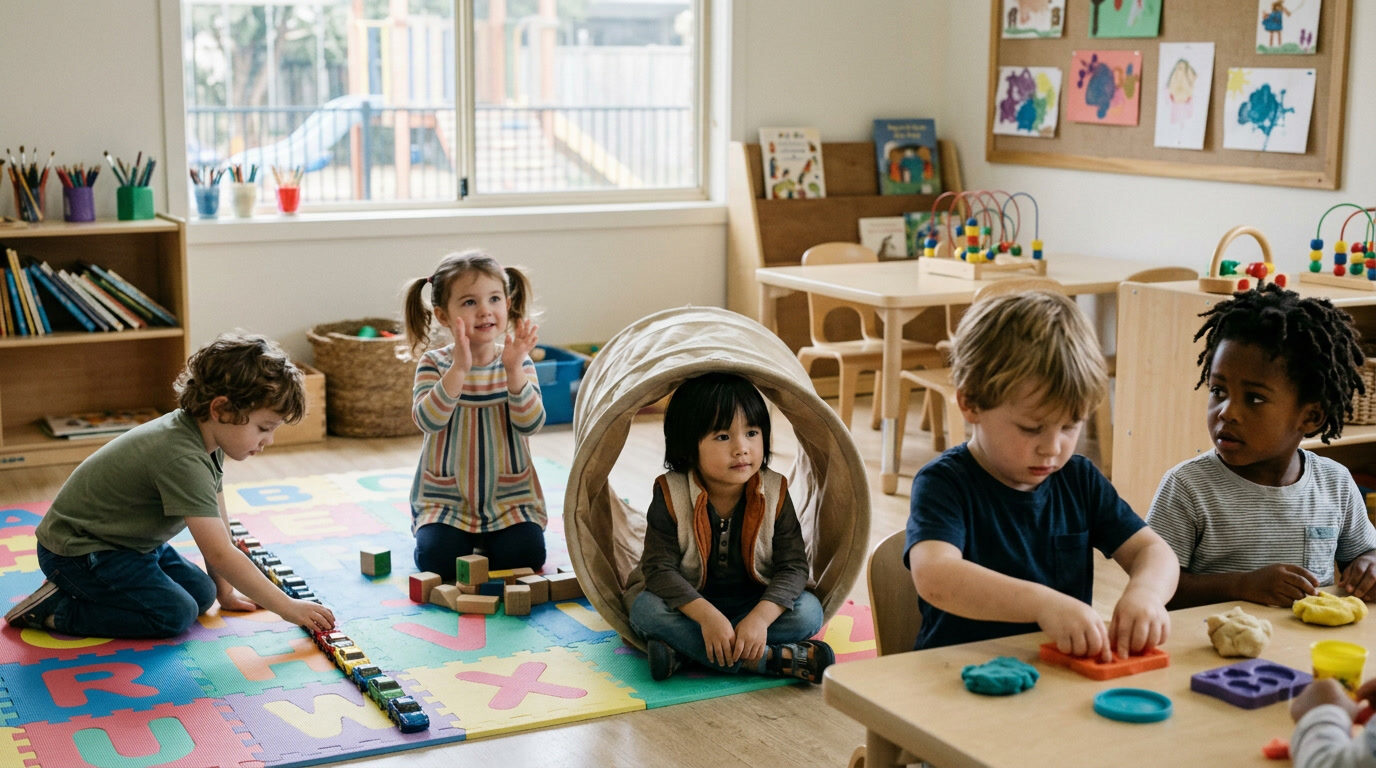
The preschool years (ages 3–5) are a neurologically primed window for learning — the right mix of structured play, language-rich environments, and social interaction now builds the cognitive and emotional scaffolding children will rely on for the rest of their school lives.

20 min read