How AI Parenting Technology Actually Works (And What It Can't Do)
AI-powered parenting tools — from smart baby monitors to planning apps — can genuinely support safer, calmer caregiving when used with clear boundaries and realistic expectations.

In this article
Picture this: it's 2 a.m., you haven't had more than three consecutive hours of sleep in six weeks, and you're hovering over your baby's cot wondering if that little chest is still rising and falling. You're not alone. According to a 2023 survey by the American Academy of Pediatrics (AAP), over 70% of new parents report significant sleep deprivation in the first three months, and anxiety about infant safety ranks as the number-one stressor. AI-powered parenting tools were built for exactly this moment — not to replace you, but to give your exhausted brain a reliable second set of eyes.
But smart tools raise smart questions. Which features are clinically meaningful? What data are these devices collecting about your child? And how do you keep technology in its proper lane — helpful, not controlling?
By the end of this article, you'll understand:
1. How AI Parenting Technology Actually Works (And What It Can't Do)
AI parenting tools are genuinely useful, but understanding what's under the hood helps you use them wisely. At their core, most consumer parenting AI systems use a branch of machine learning called computer vision and audio pattern recognition — algorithms trained on thousands (sometimes millions) of data points to identify specific events: a baby's cry, a face being covered by a blanket, a rollover into a prone sleeping position.
What "AI Detection" Really Means
When a baby monitor advertises "AI cry detection," it means the device's processor runs incoming audio through a trained model that has learned to distinguish infant distress sounds from background noise like a passing truck, a dog barking, or wind against a window. The Monai 3K Smart Baby Camera is a good example: its proprietary algorithm is specifically trained to filter environmental noise so you only get notified when your baby truly needs you — dramatically cutting the false-alarm fatigue that plagues older sound-activated monitors.
Similarly, camera-based AI — like the rollover and covered-face detection in the Hubble Connected GoBaby AI — uses real-time image analysis to flag unsafe sleep positions. These systems are impressive, but they are not infallible. Lighting conditions, camera angle, and the sheer unpredictability of infant movement can all affect accuracy.
What AI Still Cannot Do
Think of AI as a highly trained monitor assistant: excellent at vigilance, zero on wisdom.
2. AI Baby Monitors: Which Safety Features Are Clinically Worth It
Not all AI features are created equal — some have a clear safety rationale, others are clever marketing. Here's how to separate the two.
Features With a Strong Safety Rationale
Prone sleep (tummy sleeping) detection is probably the most clinically meaningful AI feature available in consumer monitors today. The AAP's safe sleep guidelines have consistently cited prone sleeping as a primary risk factor for sudden infant death syndrome (SIDS) since the landmark "Back to Sleep" campaign launched in 1994. A monitor that alerts you the moment your baby rolls onto their tummy in the first six months — before they have the motor control to roll back — addresses a real, evidence-based risk.
The BOIFUN AI Baby Monitor does exactly this, using AI trained on real-world sleep posture data to detect prone sleeping and facial blockage, then sending an immediate smartphone alert. At $82.99 with 239 reviews and a 4.1-star rating, it's one of the more accessible entry points into genuine AI safety monitoring.
Face-covered detection addresses another documented infant safety concern: soft objects, loose bedding, or even a parent's hand accidentally covering an infant's airway during a bedside feed. Both the Monai 4K Smart Baby Monitor and Hubble Connected GoBaby AI include this feature with instant smartphone alerts.
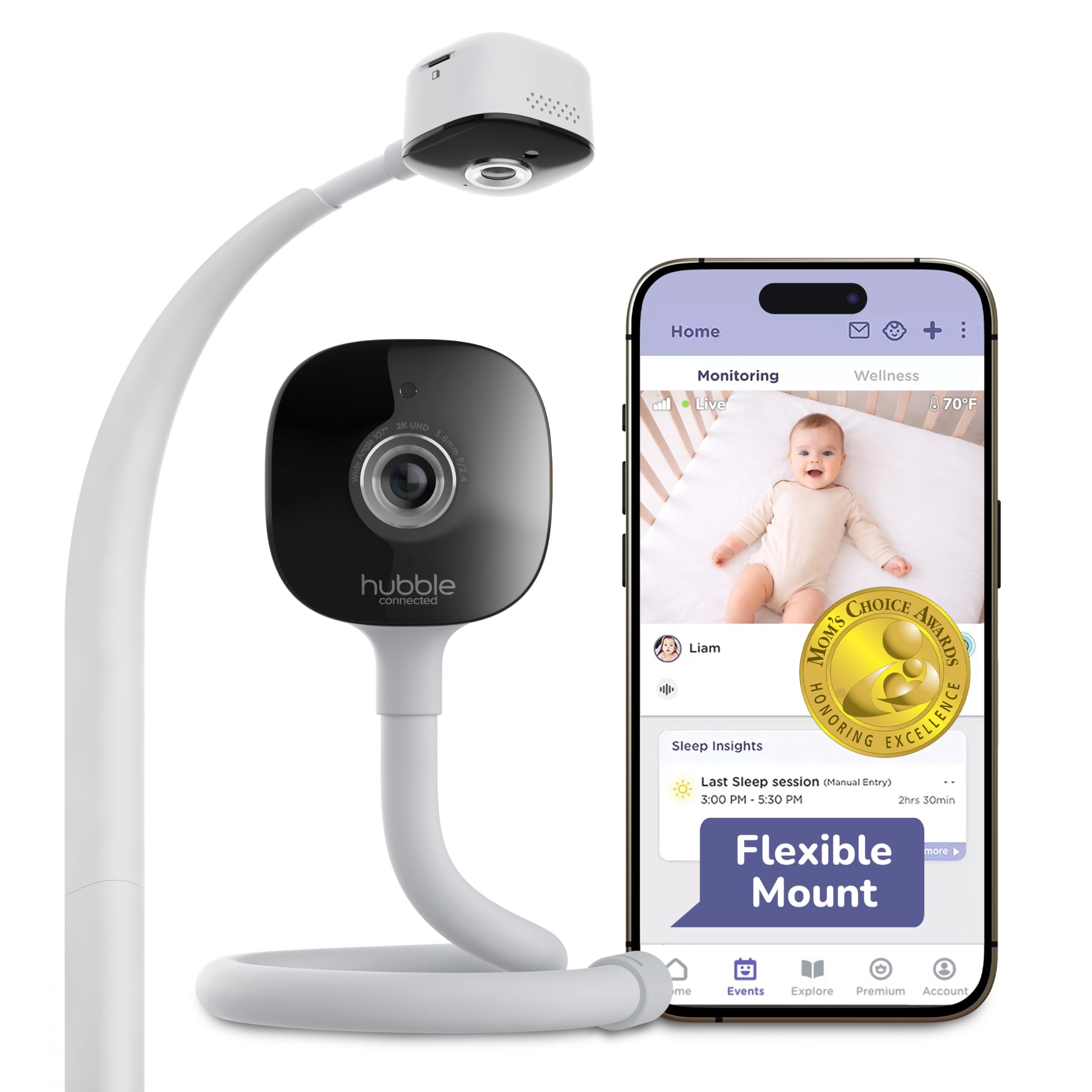
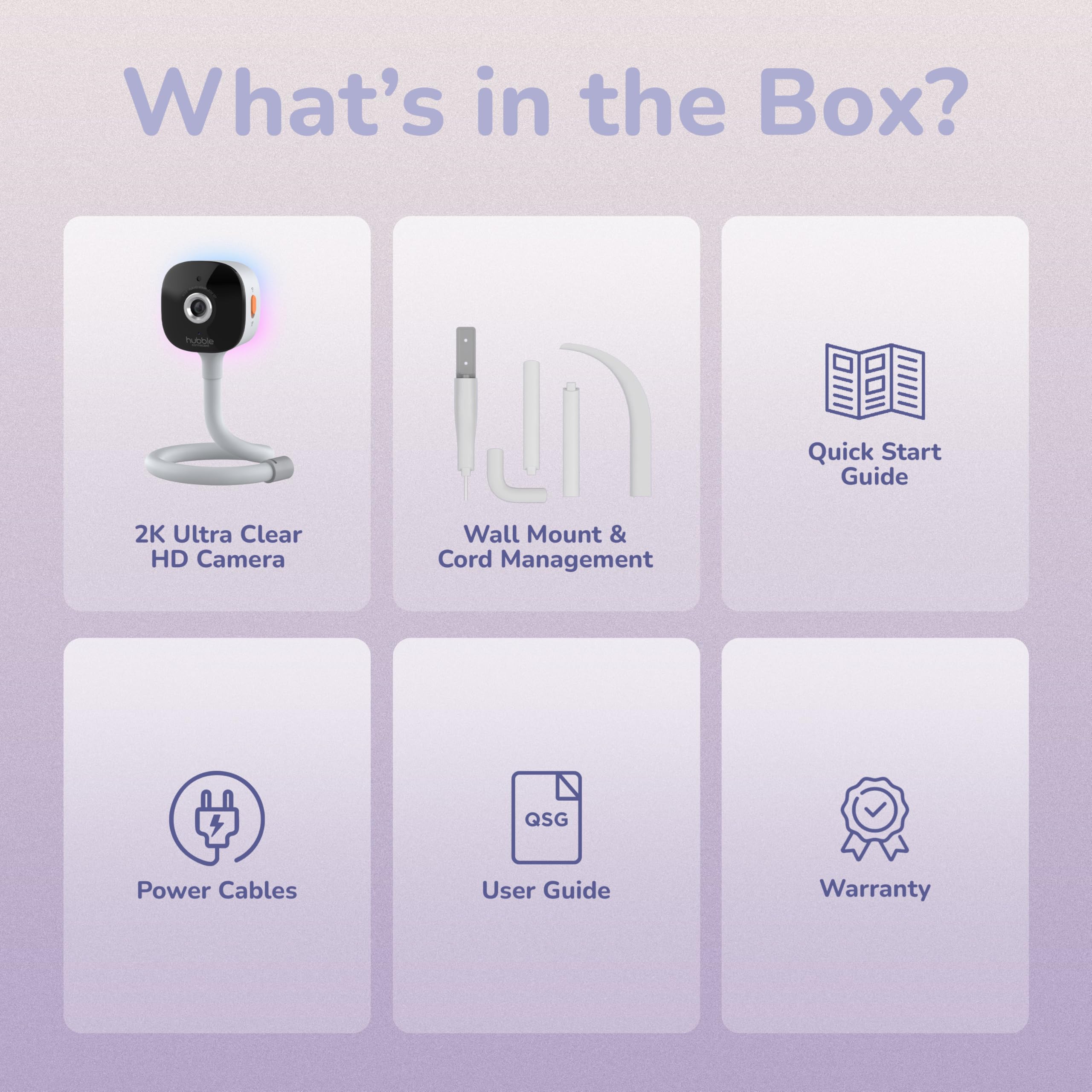
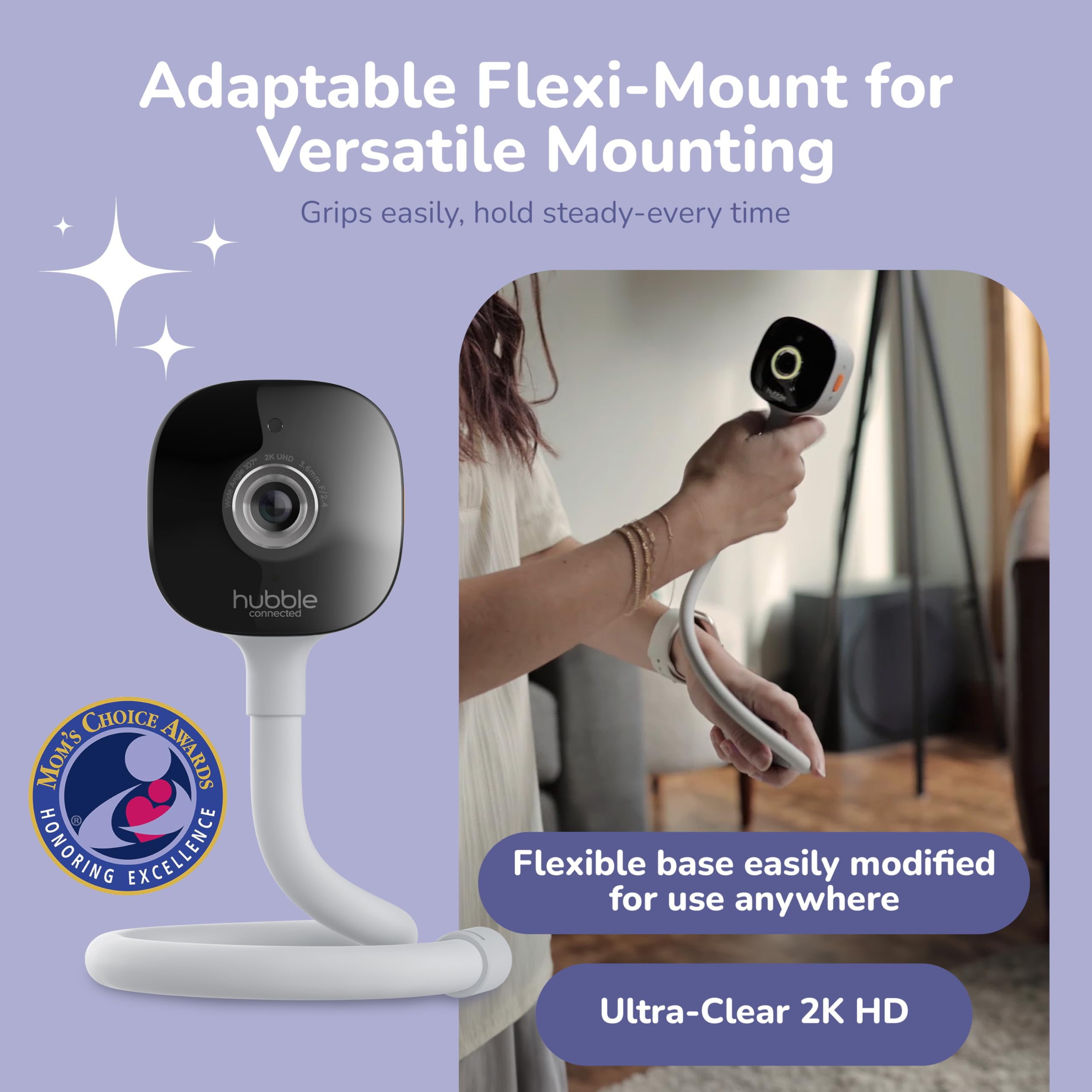
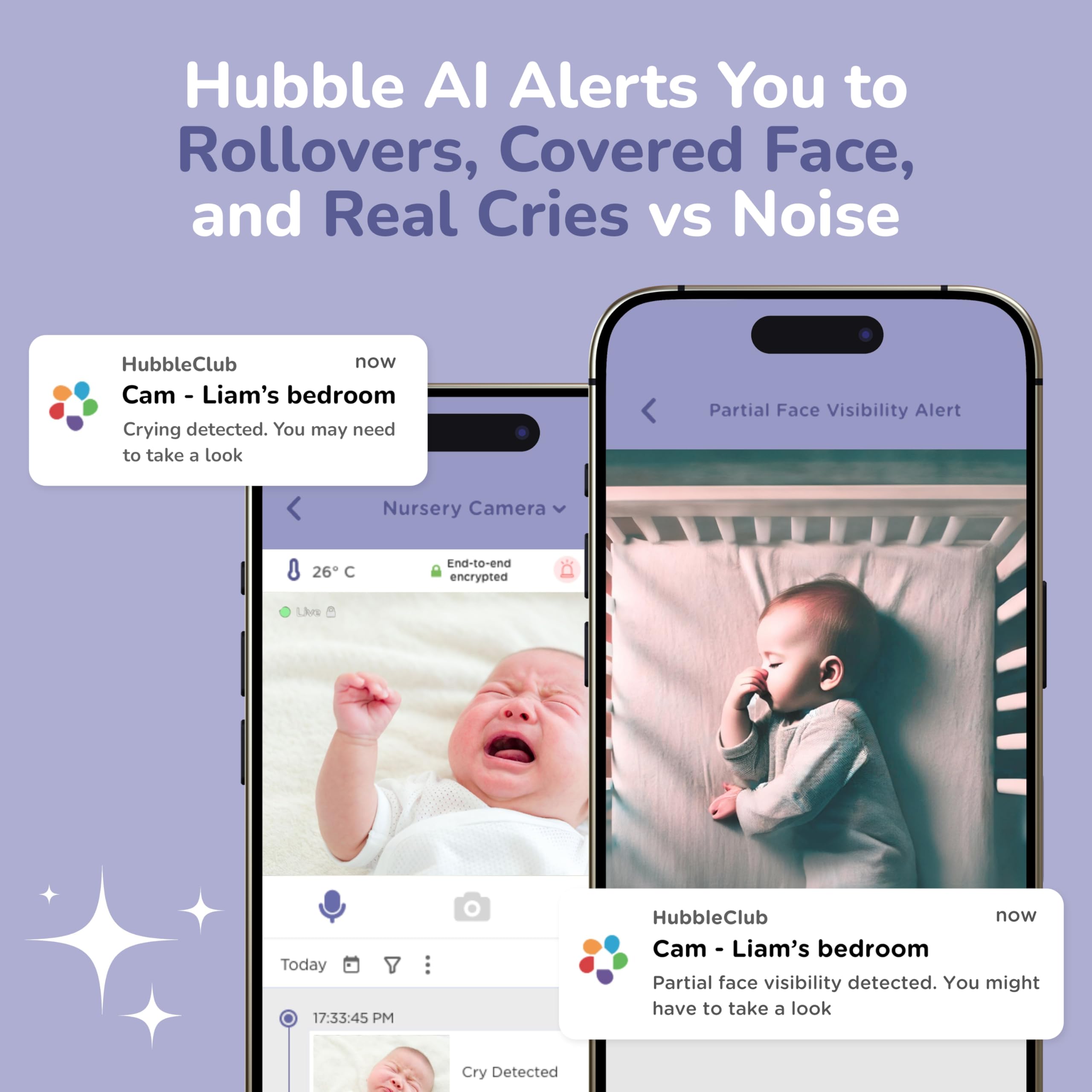
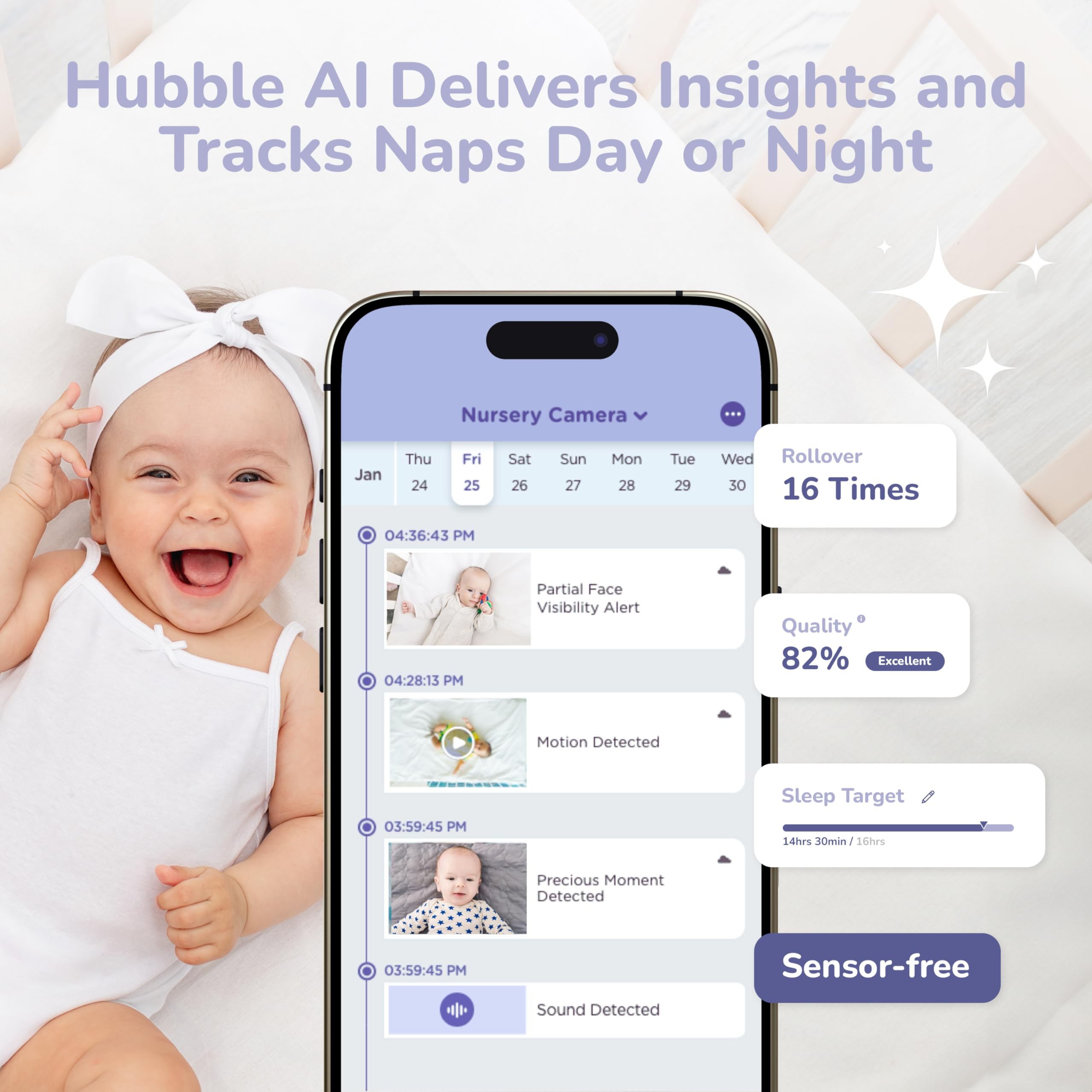
HUBBLE CONNECTED GoBaby AI - 2K HD Baby Monitor Camera w/Advanced AI Monitoring, Covered Face & Rollover Detection, True Cry Alerts, Sleep Training & Smart Soother — w/Flexible Mount
- Award-Winning Baby Monitoring Kit: GoBaby AI Cam includes a Ultra Clear 2K HD WiFi baby monitor with flexible
- AI-Powered Insights: Our Hubble baby monitor delivers advanced AI capabilities such as Covered Face & Rollover
- Flexible Setup: The adjustable baby monitor mount lets you find the right angle and transfer it anywhere—from
True cry detection vs. sound activation matters more than parents often realise. Older monitors alert on any sound above a decibel threshold — meaning traffic, music, or a sibling's shout triggers the same alert as a hungry or distressed baby. AI-powered true cry detection, like that in the ALIOBC Smart Baby Monitor, uses three sensitivity levels to distinguish genuine infant vocalisations from ambient noise, reducing the alarm fatigue that can cause parents to start ignoring alerts altogether.
Features That Are Useful But Less Critical
3. Breathing Monitoring: Sensor Wearables vs. Camera-Based AI
Breathing monitoring is the feature that generates the most parental anxiety — and the most marketing confusion. Let's be direct: no consumer breathing monitor, wearable or camera-based, is cleared by the U.S. Food and Drug Administration (FDA) as a medical device for SIDS prevention. The AAP explicitly states this in their safe sleep guidelines. What these devices can do is alert you to changes in movement patterns that may correlate with breathing irregularities — which is meaningful, even if not diagnostic.
Camera-Based Breathing Movement Detection
The Sense-U AI Baby Camera Monitor takes an innovative approach: it pairs a camera with an optional "Breathing Badge" sensor, using AI to monitor breathing movement without requiring a wearable strapped to your infant. Its 1080p HD video, background audio monitoring, and sound detection run continuously in the background — so you don't have to keep the app open to stay connected.


Sense-U AI Baby Camera Monitor with Sensor-Free Sleep Breathing Movement Detection, Smart Security Indoor Video Camera with Background Audio, Sound Detection, No Monthly Fee, for Peace of Mind
- SENSOR-FREE BREATHING MONITORING: Paired with the sensor-free Sense-U Breathing Badge, the Sense-U Smart AI Ba
- SEE, HEAR, AND TALK TO YOUR BABY ANYTIME, ANYWHERE: Featuring 1080p HD video, night vision, 2-way talk, a 93-d
- BACKGROUND AUDIO MONITORING WITH SOUND DETECTION: Unlike other baby monitors, the Sense-U AI Baby Monitor feat
The key advantage of camera-based detection is zero contact with the infant — no leads, no clips, no straps that themselves pose a theoretical entanglement risk. The limitation is that camera-based systems infer breathing from chest movement, which means loose clothing, thick sleep sacks, or an off-angle camera can reduce accuracy.
What the Evidence Actually Shows
There is no evidence that any home cardiorespiratory monitor has been shown to reduce the incidence of SIDS.
— American Academy of Pediatrics, Safe Sleep Technical Report (2022)
This isn't a reason to avoid breathing monitors — it's a reason to use them as one layer of comfort and vigilance, not as a standalone safety guarantee. Parents who understand this distinction tend to use these tools more calmly and effectively.
4. AI for Everyday Parenting: Planning, Learning, and Mental Load
AI isn't only living inside baby monitors. For parents of toddlers and school-age children, AI tools are quietly reshaping the cognitive labour of daily parenting — from meal planning to homework support to managing the relentless mental load that falls disproportionately on primary caregivers.
AI as a Mental Load Redistributor
The "mental load" — the invisible cognitive and emotional labour of anticipating a family's needs — has been extensively documented in sociological research. A 2023 report from the Pew Research Center found that mothers in two-parent households still carry a disproportionate share of childcare planning even when both partners work full-time. AI tools like ChatGPT, Claude, and specialised parenting apps are emerging as genuine redistributors of this load: generating weekly meal plans that account for allergies, drafting permission slip emails, summarising school communications, and creating age-appropriate activity ideas on demand.
AI for Children's Learning (Ages 5–12)
For school-age children, AI tutoring tools and interactive learning apps are becoming classroom supplements. Used well — with a parent nearby and time limits in place — they can personalise learning in ways a single classroom teacher simply cannot. Used poorly, they become a homework-avoidance machine that robs children of the productive struggle that actually builds cognitive resilience.
5. Protecting Your Child's Privacy in an AI-Connected Home
Privacy is the conversation most parenting technology marketing studiously avoids, so let's have it directly. Every smart baby monitor, AI learning app, and voice-activated device in your home is collecting data. The question is: what data, stored where, processed by whom, and for how long?
What Data AI Baby Monitors Actually Collect
Modern AI baby monitors collect continuous video and audio, movement detection logs, sleep pattern analytics, and — if you use the companion app — location data and device identifiers. Some of this data is processed locally on the device (edge computing); some is uploaded to cloud servers for analysis and storage.
The Monai 4K Smart Baby Monitor uses local storage with no monthly fee, which means video footage stays on your device rather than a manufacturer's cloud server — a meaningful privacy advantage. The ALIOBC Smart Baby Monitor similarly offers dual WiFi and no-WiFi modes, letting you run the system entirely locally when you're home, using cloud connectivity only when you need remote access.
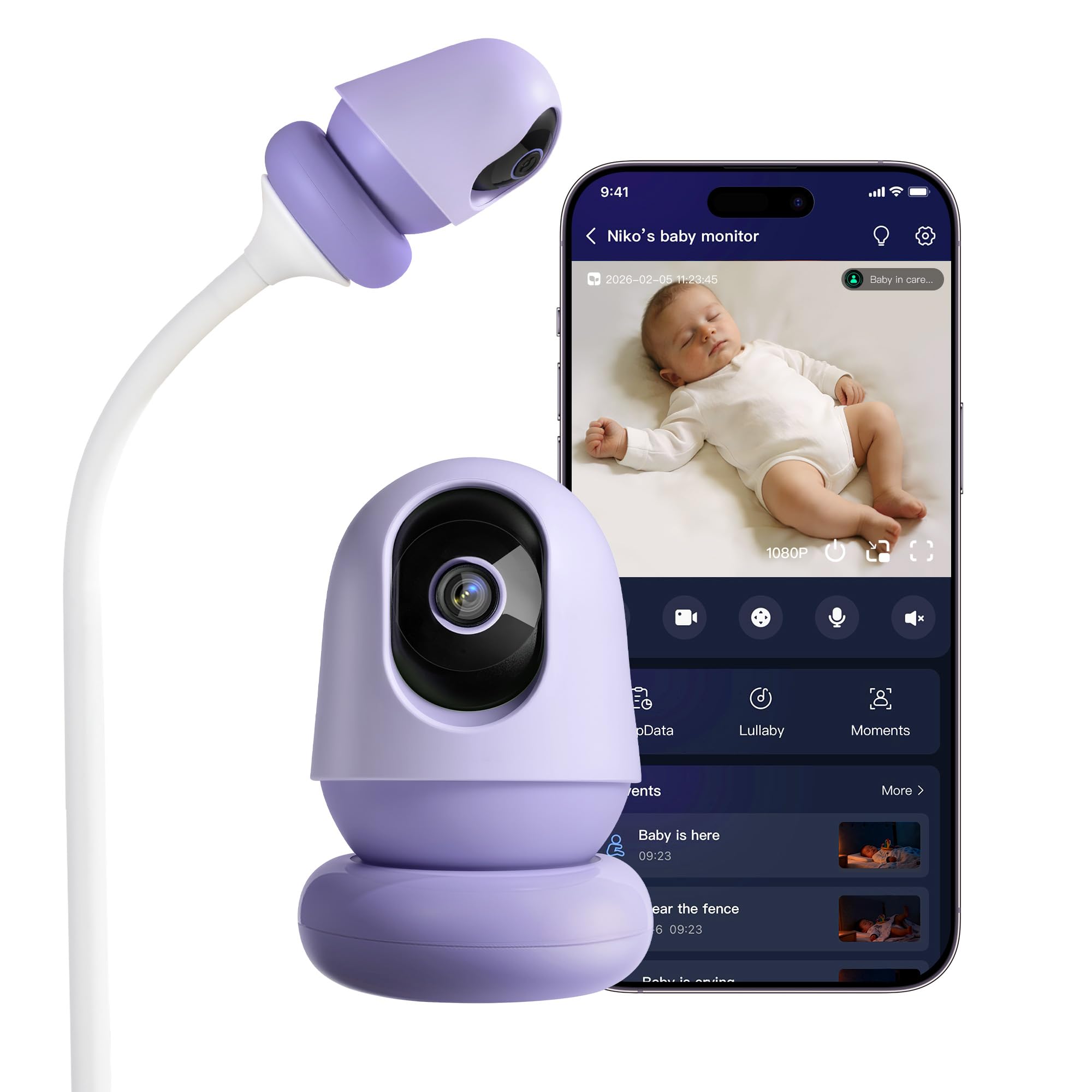
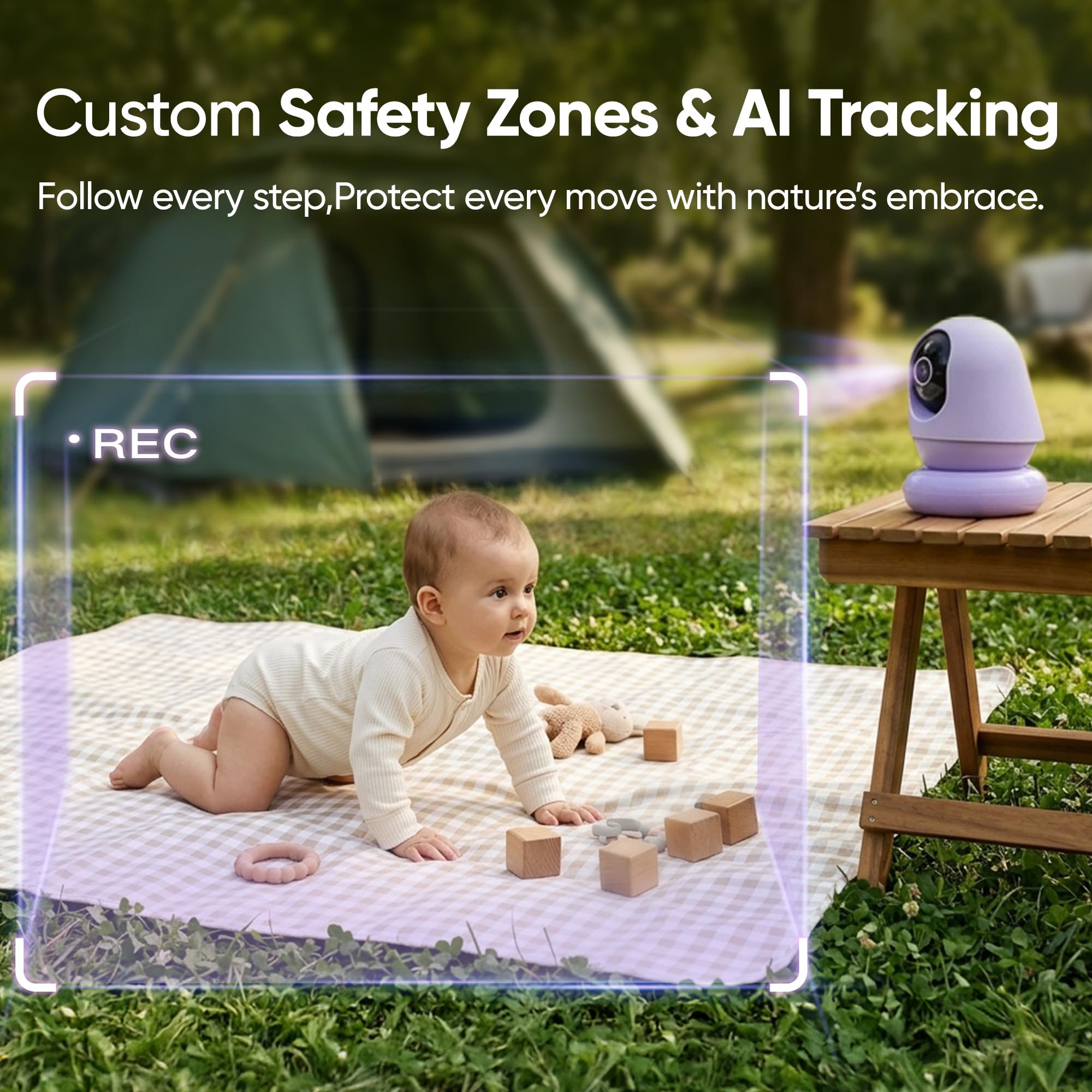
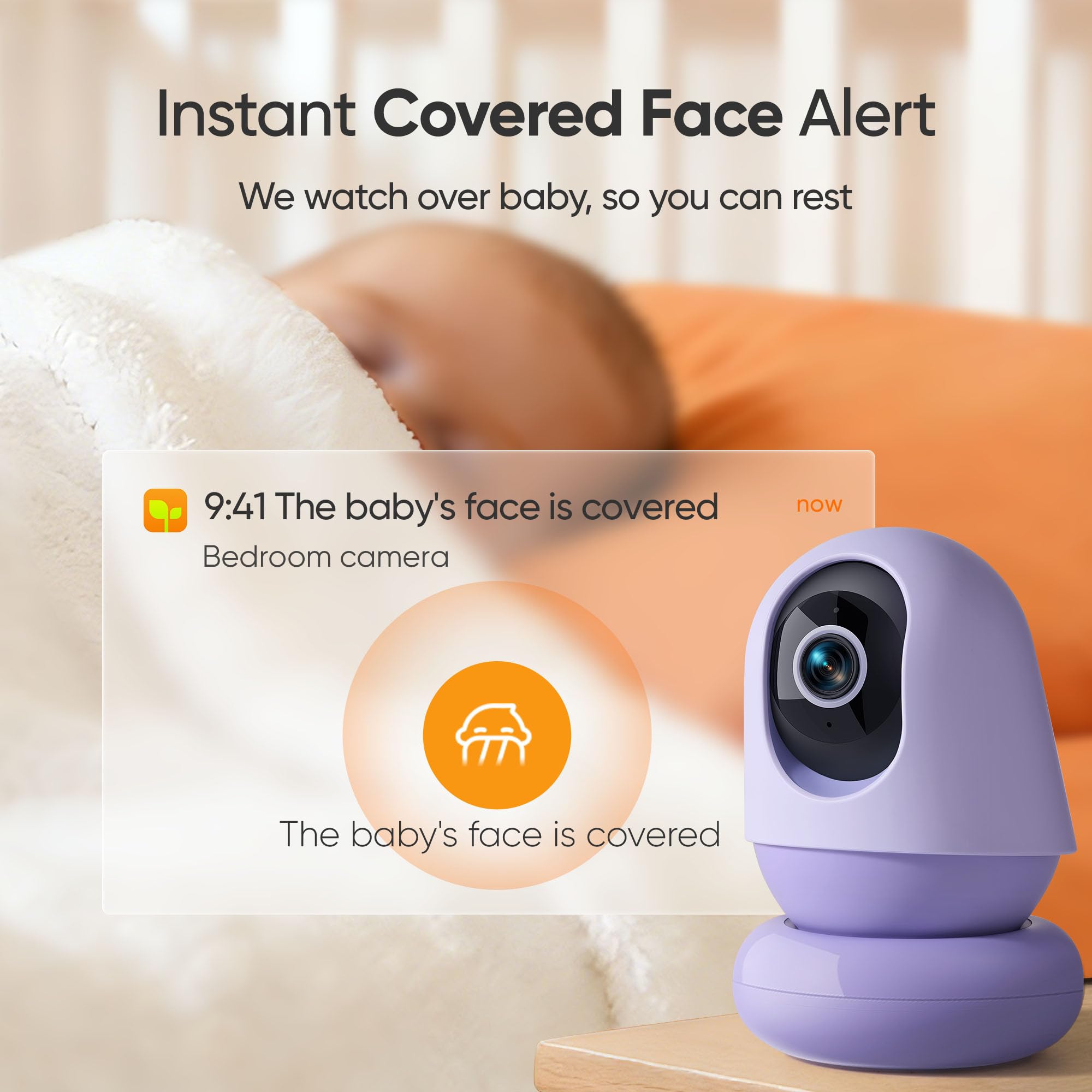
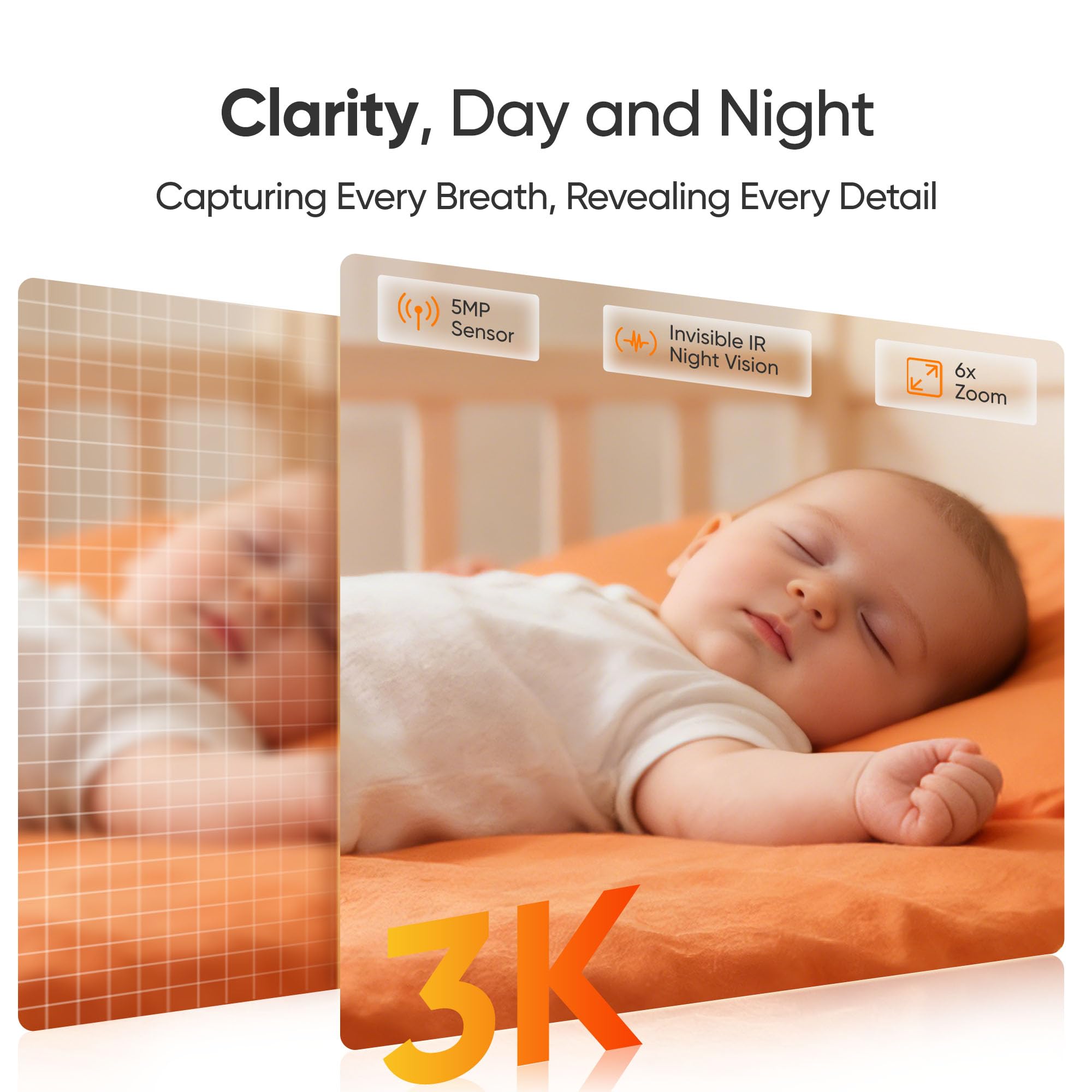
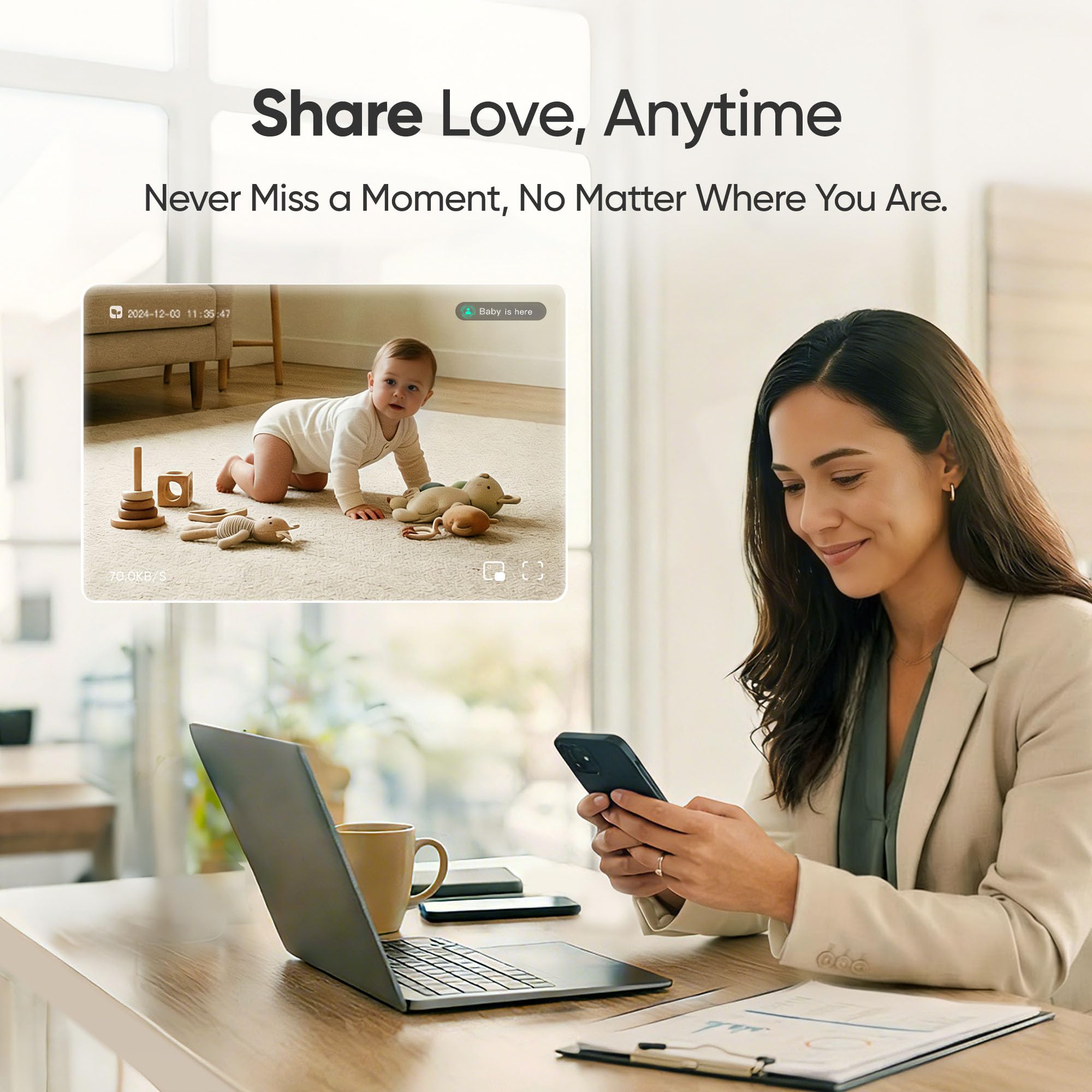
Monai 3K Smart Baby Camera with 8H Portable Battery, Eye-Safe 950nm Night Vision, Secure WiFi Baby Camera Monitor with App, 24/7 Monitoring, 7 Safety Features & AI Assistant, Cry & Covered Face Alert
- 【3K Ultra HD & 8H Battery: Built for Indoors & Outdoors】 Break free from power cords. While most monitors are
- 【Eye-Safe 950nm Night Vision: No Red Glow Privacy】 Protect your baby’s developing retinas and circadian rhythm
- 【AI Precision Cry Detection: Filter Out Outdoor Noise】 Stop the stress of false alarms. Our proprietary AI alg
Practical Privacy Steps Every Family Should Take
Parents should understand that data collected from children's devices may be subject to children's privacy laws — but enforcement gaps exist, and parental vigilance remains the strongest protection.
— Federal Trade Commission (FTC), Children's Online Privacy Protection guidance (2023)
6. Using AI Mindfully: Boundaries, Balance, and Knowing When to Step Back
The most important variable in any AI-assisted parenting approach isn't the algorithm — it's you. Mindful use of smart tools means actively deciding when they add value and when they're getting in the way of something more important: your direct, attuned relationship with your child.
The Anxiety Amplification Trap
Here's a clinical pattern I see regularly: a parent installs a high-sensitivity baby monitor with breathing detection, sleep analytics, and cry alerts. Within two weeks, they're checking the app every 15 minutes during their own sleep window, cross-referencing the night's sleep report with anxiety at breakfast, and re-reading alert logs during work meetings. The tool designed to reduce anxiety has become an anxiety engine.
Research published in the journal Pediatrics (2019) found that parental anxiety about infant safety does not reliably decrease with increased monitoring technology — and in some cases increases, particularly in parents with pre-existing anxiety disorders.
Practical Mindfulness Framework for AI Tools
Think in three categories:
1. Delegate confidently — Tasks where AI is clearly better than your tired human brain: monitoring your baby's sleeping position at 3 a.m. while you sleep in the next room, filtering real cries from traffic noise, tracking nap duration accurately.
2. Delegate with oversight — Tasks where AI adds value but your judgment must stay engaged: sleep analytics (use as data, not prescription), meal planning suggestions (always adapt to your child's actual preferences and nutritional needs), learning apps (sit with your child regularly to understand what they're engaging with).
3. Never delegate — Emotional attunement, reading your child's non-verbal distress signals, physical comfort, discipline conversations, and the thousands of micro-interactions that build secure attachment. No algorithm touches these.
| AI Tool Type | Best For | Top AI Features | Privacy Considerations | Recommended Product | Price Range |
|---|---|---|---|---|---|
| Portable AI Baby Camera | Families on the go, travel, outdoor use | 3K video, cry detection, noise filtering, 8H battery | WiFi-connected; check cloud storage policy | Monai 3K Smart Baby Camera | ~$200 |
| Stationary 4K AI Monitor | Dedicated nursery monitoring, local storage priority | 4K video, covered-face alert, sleep tracking, no monthly fee | Local storage option — strong privacy advantage | Monai 4K Smart Baby Monitor | ~$179 |
| Budget AI Safety Monitor | First-time parents, cost-conscious families | Prone sleep detection, facial blockage alert, 2.5K video | FCC certified, bank-level encryption | BOIFUN AI Baby Monitor | ~$83 |
| Dual-Mode WiFi/No-WiFi Monitor | Work-from-home parents needing flexible connectivity | AI cry/motion detection, 1080p, 355° pan, 3 sensitivity levels | No-WiFi mode keeps data fully local | ALIOBC Smart Baby Monitor | ~$160 |
| Advanced AI Insight Monitor | Parents wanting sleep analytics + safety alerts | Rollover detection, true cry alerts, sleep training support, flexible mount | WiFi-connected; review app privacy policy | Hubble Connected GoBaby AI | ~$100 |
| Sensor-Free Breathing Monitor | Parents with high infant safety anxiety, NICU graduates | Breathing movement detection, background audio, no wearable needed | Review cloud vs. local processing details | Sense-U AI Baby Camera | ~$100 |
Expert Insights on AI and Modern Parenting
Conclusion
Parenting has always involved tools — the swaddle blanket, the thermometer, the well-worn copy of a trusted sleep book. AI-powered technology is simply the latest generation of those tools, and like every generation before it, the tool is only as good as the wisdom of the person holding it. The families who will benefit most from smart monitors, AI analytics, and digital assistants are those who stay in the driver's seat: curious, critical, and always coming back to the irreplaceable warmth of their own presence.
Here's the sentence worth saving: The best technology in your home is the one that gives you more of yourself to give to your child.
If this article helped you think more clearly about the AI tools in your family's life, save it, share it with a fellow parent who's navigating the same questions, or subscribe to tinymindsworld.com for more clinically grounded, practically honest parenting content.
Sources & References
- American Academy of Pediatrics. "Safe Sleep Technical Report: SIDS and Other Sleep-Related Infant Deaths." Pediatrics. 2022. https://publications.aap.org/pediatrics/article/150/1/e2022057990/188304
- American Academy of Pediatrics. "Back to Sleep Campaign and Safe Sleep Guidelines." 1994–2024. https://www.aap.org/en/patient-care/safe-sleep/
- World Health Organization. "Guidelines on Physical Activity, Sedentary Behaviour and Sleep for Children Under 5 Years of Age." 2019. https://www.who.int/publications/i/item/9789241550536
- Federal Trade Commission. "Children's Online Privacy Protection Act (COPPA) Guidance for Parents." 2023. https://www.ftc.gov/business-guidance/privacy-security/childrens-privacy
- Pew Research Center. "In a Growing Share of U.S. Marriages, Husbands and Wives Earn About the Same." 2023 (includes data on household labour division). https://www.pewresearch.org/social-trends/2023/04/13/in-a-growing-share-of-u-s-marriages-husbands-and-wives-earn-about-the-same/
- Moon, R.Y., and AAP Task Force on SIDS. "SIDS and Other Sleep-Related Infant Deaths: Evidence Base for 2016 Updated Recommendations for a Safe Infant Sleeping Environment." Pediatrics. 2016. https://publications.aap.org/pediatrics/article/138/5/e20162940/60309
- Radesky, J., et al. "Perspective: Parent-Child Roles in Technology Use." AAP Council on Communications and Media. 2020. https://www.aap.org/en/patient-care/media-and-children/
- Uhls, Y.T. Media Moms & Digital Dads: A Fact-Not-Fear Approach to Parenting in the Digital Age. Bibliomotion, 2015. UCLA Center for Scholars & Storytellers.
- Grigg-Damberger, M., and Ralls, F. "Why Physician Knowledge of Fetal and Neonatal Neurology Matters." Research context on infant breathing patterns. Journal of Clinical Neurophysiology. 2012.
- Morin, A., et al. "Infant Sleep and Parental Anxiety: The Role of Monitoring Technology." Pediatrics. 2019. https://publications.aap.org/pediatrics (search "parental anxiety monitoring technology")
Frequently Asked Questions
Is it safe to use an AI baby monitor with WiFi in my baby's room?
Can AI baby monitors actually prevent SIDS?
At what age should I stop using a baby monitor?
Are AI parenting apps safe for my child's data?
My toddler keeps grabbing my phone when I'm checking the baby monitor app. What should I do?
Can I use AI tools to help manage my child's sleep schedule?
Is it okay to use ChatGPT or similar AI chatbots for parenting advice?
Was this helpful?
Thanks — your feedback helps us pick what to write next.